alcohol-free liquor
Enjoy a healthier life with Alcohol-Free Spirits from the UK: Your Path to a healthier lifestyle begins today!
In the last few several years, there’s an astonishing shift in the method that people in United Kingdom approach their drinking behavior. One trend that is catching the notice of many is the conscious choice to lead a non-alcohol lifestyle. The allure of a healthier life, with a more balanced and balanced one has resulted in an increase in the demand for alcohol-free alternatives, and in the forefront of this trend are alcohol-free spirits.
The rise of alcohol-free Living
Living a life of no alcohol consumption is no longer a fringe thought it’s now a complete movement. The UK, like many other parts of the globe, has seen an enlargement in the number of people opting to avoid alcohol. Be it for health reasons as well as personal preferences or simply the desire to live a more conscious life This trend is evident.
Statistics depict a vivid representation of this shift. According to a recent study on the consumption of alcoholic drinks on the UK has steadily diminished throughout the last decade. Contrarily, sales for alcohol-free alternatives have seen explosive increase. The shift isn’t restricted to one particular age group. the trend spans generations from young adults to senior citizens.
The trend towards a more alcohol-free lifestyle can be attributed to a number different factors, however one common thread links them all is a desire for the better, healthier lifestyle. It is becoming increasingly apparent the fact that they do not need alcohol in order to have a good time or relax. Instead, they’re looking to alcohol-free drinks to make a positive change in their lives.
What exactly are these spirits that don’t contain alcohol, as well as why they are becoming the preferred drink for health-conscious individuals across the UK? Let’s look into our world of alcohol-free spirits to know.
[Next next: Alcohol-Free Spirits: What Are They? ]
+BILD+
Alcohol-Free Spirits: What Are They?
The concept of alcohol-free spirits may seem like a strange concept to certain individuals, but it’s an rapidly growing sector within the world of drinks. These interesting concoctions are the core of the alcohol-free revolution in the United Kingdom, offering an thrilling alternative for people seeking an improved lifestyle, without sacrificing quality or taste.
Understanding Alcohol-Free Spirits
To comprehend the appeal of alcohol-free spirits it’s important to understand what they’re and how they differ from traditional liquors.
Alcohol-free spirits which are also known as non-alcoholic spirits or spirits alternatives are drinks that have been carefully designed to replicate the flavor and taste of traditional alcoholic spirits like vodka, gin and rum. Whiskey is also a popular choice. They are distinguished by the alcohol content, which is nearly insignificant, usually containing less than 0.5 percent in alcohol volume (ABV). This tiny ABV is well below the limit that is legally required for declaring a drink “non-alcoholic.”
The Distillation Dilemma
The primary ingredient in the creation of alcohol-free spirits lies the difficulty of capturing the unique flavors and aromas they offer that are what make these spirits so appealing. Traditional spirits usually get their unique flavor from the fermentation and distillation process in which alcohol is distilled and mixed with various plants, fruits, or grains.
Alcohol-free spirits replicate this complexity without alcohol content. Instead of distillation, they depend on other methods like maceration, steam distillation, or pressing cold to draw the flavours from botanicals as well as other ingredients. This method of distillation is the one that allows alcohol-free spirits to preserve the essence of alcohol-based counterparts without causing alcohol-related intoxication.
Variety and Diversity
One of most exciting features of alcohol-free spirits the variety of choices available. There are gin-based alternatives to classics that provide the same essence as a London dry gin to alcohol-free whiskey that has the woody and smoky aroma similar to its alcoholic counterpart there are many options and varied.
Here are some popular types of spirits that are alcohol-free:
-
Alcohol-Free Gin A blend of botanicals such as juniper, coriander and citrus peels alcohol-free Gin has the same fresh and fragrant flavor as traditional Gin. It’s ideal for making cocktails that don’t contain alcohol, like alcohol-free vodka and tonic.
-
Non-alcoholic Whiskey made to resemble the rich, oaky, and sometimes smoky tastes in whiskey. Alcohol-free whiskey is the perfect choice for those who like sipping whiskey on the rocks or mixing it into cocktails.
-
Zero-Proof Rum Alcohol-free rum adds the sweet and spicy flavors of the Caribbean into your glass, without the alcoholic kick. Use it to create mojitos and piA-a-coladas made without alcohol.
-
Alcohol-free Vodka is perfect for those who want to drink a clear, neutral spirit The non-alcoholic vodka can maintain the refreshing flavor of traditional vodka. It is an essential component in alcohol-free martini recipes.
[Next: The Health Benefits of Alcohol-Free Spirits [Next: Health Benefits of Alcohol-Free Spirits
+LINK+
The health benefits of alcohol-free Spirits
As the popularity of alcohol-free spirits is growing however, it’s far from just providing a viable alternative to traditional alcoholic beverages. There are a myriad of health benefits that come when you drink alcohol-free spirits, being a worthy option for a healthier lifestyle and a healthier lifestyle in the UK.
Lower Alcohol Intake
One of the main advantages of consuming drinks that do not contain alcohol is making it easier to cut down on alcohol consumption. While a few drinks of alcohol may be part of a balanced lifestyle for certain people, regular or excessive drinking can lead to a range of health issues including liver disease heart problems, and addiction.
If you opt for spirits that are alcohol-free you are able to enjoy some of the same flavors and rituals with alcoholic beverages without drinking alcohol and the associated risks consumption. This approach is consistent with the growing trend of mindfulness and moderation when it comes to drinking consumption.
Fewer Calories
Traditional spirits with alcohol are calorie-dense, often packed with empty calories which offer almost no nutritional worth. Alcohol-free spirits, other hand, are typically considerably lower in calories. This is especially beneficial for those conscious of their calorie intake and are trying to maintain or shed weight.
Alcohol-free spirits can reduce hundreds of calories in a serving they’re an attractive option for those trying to make healthier choices and still enjoy the pleasure of a delicious drink. No matter if you’re sipping an non-alcoholic G&T or a vodka-free cocktail, you can relish the flavor without worrying about a lot of calories.
Improved Sleep Quality
Drinking alcohol, particularly during the evening hours, can disrupt your routine sleep and lead to poor sleep. Alcohol-free spirits offer a solution for those who want to relax and have unwinding before bed without the negative impact on sleep.
Alcohol-free spirits will not interfere in your sleep cycles this allows you to awake feeling more energized and awake. This is especially beneficial for those suffering from problems with sleep or just want to focus on their sleep hygiene.
Better Digestive Health
Excessive alcohol consumption can irritate digestion, leading to issues like gastritis, acid reflux, sometimes even ulcers. Alcohol-free spirits can be a soothing option for those with delicate stomachs or those looking to improve their digestion.
Alcohol-free spirits will not cause the stomach upset that comes with alcohol which makes them an ideal choice for those with digestive issues.
Safer for Pregnant Individuals
Females who are pregnant should stay away from alcohol as it may cause harm to the growing fetus. But, they might be tempted to sip a drink that has the appearance of their favorite alcoholic drink. This is where alcohol-free spirits shine, as they provide a safe and enjoyable option for women during pregnancy.
[Next: The emergence of alcohol-free spirit in the UK [Next: The Rise in Alcohol-Free Spirits In the UK
+BILD+
The rising popularity of alcohol-free Spirits around the UK
As the health and wellness movement gets more popular, people in the UK are increasingly looking for alternatives to traditional alcohol-based drinks. One interesting trend that has come to light is the growing trend of alcohol-free liquors. In this article we’ll discuss the causes behind the increase for alcohol-free spirits across the UK as well as what the trend will mean for consumers.
Shifting Consumer Preferences
The population of the UK are becoming more conscious of their health and aware of their drinking. This shift in the preferences of consumers is prompted by a desire for a healthier lifestyle and an increased awareness of the potential hazards to health that are associated with an excessive alcohol consumption.
Alcohol-free spirits provide an opportunity to taste the pleasures and rituals of drinking without the negative health repercussions associated with alcohol. This aligns perfectly with the new tastes and lifestyles that consumers of today are seeking alternatives that promote wellbeing.
Innovative Flavors and High Quality
It’s been a long time since there were only basic soft drinks and juices. The alcohol-free spirits market has seen a resurgence in innovation, with brands developing sophisticated, high-quality non-alcoholic alternatives.
In the range of alcohol-free gins that encapsulate what botanicals are all about to whiskies that are alcohol-free and replicate the smoky, oak-aged flavors, These products are designed to give you a taste equal to that of alcohol.
Social and Cultural Shifts
The ways that people celebrate and socialize during the UK has also changed. Traditional pub culture is still alive However, there’s an increasing awareness of the need to provide an inclusive alternative for those who don’t drink or designated drivers as well as people who don’t want to consume alcohol.
Alcohol-free spirits help to bridge the gap and making it easier everybody to enjoy the celebrations without feeling left out. They’re a good choice to be used for any occasion from casual evenings and formal occasions.
Supportive Legislation
The UK government has enacted a number of initiatives to encourage moderate drinking and minimize alcohol-related harm. This includes stricter rules on advertising alcohol-related products as well as campaigns to educate the public about the health risks associated with alcohol consumption.
Alcohol-free spirits fall within this framework, offering a choice that encourages moderate drinking and responsible drinking.
The Next Step: Identifying the Best Alcohol-Free Spirits
With the demand for alcohol-free spirits continues to rise people in the UK have access to an ever-expanding array of options. From alcohol-free gin and cocktails as well as alcohol-free rum and cola the options are wide and varied.
In the next chapter In the next section, we’ll review some of our favorite spirits with no alcohol in the UK and offer suggestions on which one that suits your tastes.
[Next The Best Alcohol-Free Spirits in the UK [Next: Experiencing the Best Alcohol-Free Spirits from the UK
The Attractiveness of Alcohol-Free Spirits in Europe A Recap
In our exploration of the world of alcohol-free spirits, we’ve explored an intriguing landscape of flavors as well as technological advancements and lifestyle shifts. In this final section, we’ll recap the key elements from each of our articles and discuss the larger implications of a rise in alcohol-free spirits across Europe.
Article 1: The rise of alcohol-free Spirits within the UK
In our first article, we explored the reasons for the rising popularity of spirits that are alcohol-free and spirits in the UK. We found that shifting consumer attitudes towards healthier lifestyles, advances in taste and quality, as well as changes in culture and society, and supportive legislation have all contributed to the growth of this trend.
Article 2 Discovering the Best Alcohol-Free Spirits in the UK
In our second piece, we explored the world of alcohol-free spirits offered across the UK. We explored the various options available, including alcohol-free tonic and gin up to alcohol-free spirits like cola and rum offering insights on how consumers can choose an alternative to traditional alcoholic beverages.
Article 3: Mixing and Pairing Alcohol-Free Spirits
Our third article focused on the art of mixing and pairing alcohol-free spirits. We explored how these spirits can be mixed into creative cocktails and served along with food, enriching the dining and drinking experience for everyone, regardless of their alcohol consumption.
Article 4″Alcohol-Free Spirits and Well-Being”
In the fourth piece, we examined the relationship between alcohol-free spirits, well-being and. We saw how these beverages are in line with the overall wellness movement, offering individuals ways to enjoy the pleasures of drinking, while paying attention to their physical as well as mental well-being.
Article 5: The Future of Alcohol-Free Spirits
In this final article in this final article, we’ve stepped back to consider the future of alcohol-free spirits across Europe. This trend isn’t showing any signs of slowing, and we can expect to see continued developments new offerings, different varieties, and more acceptance in social and cultural settings.
Conclusion: Adopting a Healthy and Inclusive Lifestyle
The increase in alcohol-free spirits in Europe is more than a passing trend; it’s a reflection of a broader change in culture towards healthier and more inclusive lifestyles. These drinks are a bridge between traditional drinking patterns and contemporary wellness-conscious choices.
When we’ve finished our examination of this fascinating trend, we invite you to raise an ice cube, filled with alcohol-free spirits such as a mocktail your favorite beverage. Salute to a future which will celebrate the joys of living but without compromising our health and inclusiveness.
We appreciate you joining us on this journey, and will your journey be packed with health, flavor as well as enjoyment.
Decoding EU Regulations on Non-Alcoholic Beverages How to be sure you are in The Compliance
In the area of beverages and food, ensuring compliance of regulations isn’t only an essential legal requirement, but also an essential element of consumers’ trust and safety. For instance, the European Union (EU), well-known for its stringent rules has a lot of importance on making sure that non-alcoholic beverages are of the highest standards of safety and quality. This is the first article part of the series, aims to understand the intricacies of EU rules governing alcohol-free beverages.
Understanding the EU Framework
Introduction to EU Regulatory Bodies
At the center of EU guidelines for non-alcoholic beverages are several key regulatory agencies with each one playing an important part in ensuring that the any products sold on the marketplace are healthy for people to consume.
1. The European Commission: Often considered as the executive branch of the EU The European Commission takes charge of developing legislation and implementing the decisions. When it comes to food and beverage regulations, the Commission has a major role in establishing the rules and regulations within which non-alcoholic beverages must operate.
2. EFSA (European Food Safety Authority) ):> > This non-profit agency offers advice based on science regarding food and feed safety to members of the EU institutions. The expertise of EFSA is crucial in testing the safety of ingredients and the additives that are used in non-alcoholic drinks.
3. National Authorities In addition to EU-wide regulations, individual state members may have their own specific regulations. National authorities make sure that compliance is met with EU regulations at a local scale.
Legal Framework
Understanding EU rules on alcohol-free beverages requires knowledge of the legal framework that regulates the laws. The EU employs two main types of law which include directives and regulations.
EU Regulations: These are directly applicable throughout the entire member state and don’t require separate national laws. When an EU regulation is approved the law becomes effective in all member states at once.
EU Directives: Directives, on contrary, lay out the goals that member states must achieve. It’s then the responsibility of each member state to enact the law of its country in order to conform with the directive.
The interplay between EU regulations and laws of member states could sometimes be complicated, requiring businesses to navigate general EU rules as well as the specific nation-specific regulations.
Understanding the regulation framework will be the first step towards making sure that you are in conformity with EU rules for non-alcoholic drinks.
In the next segment, we’ll look at particular aspects related to EU regulations, specifically specific labeling and ingredient requirements that are vital for companies working in the beverage industry.
Stay with us as we look into the complexities of labeling and ingredient regulations in the EU for non-alcoholic beverages.
How to navigate EU Regulations: Labeling and requirements for ingredients in non-alcoholic beverages.
In the last section, we embarked on a journey to understand the intricate web of EU laws governing non-alcoholic drinks. Let’s dig deeper into the specifics of the regulations, focusing on labeling and ingredient requirementsaEUR”a vital area of compliance of businesses working in the beverage industry.
Labeling Guidelines
Klarity, and Transparency
EU regulations are stringent in the area of labeling non-alcoholic beverages. The primary goal is to make sure that consumers are provided with truthful and accurate information on the items they purchase. Here are some essential aspects of the guidelines for labeling:
1. Name of the beverage The name must clearly define the purpose of the beverage. False names that can confuse consumers are a violation of the law.
2. Ingredients List: Non-alcoholic beverages have to include a list ingredients that list each ingredient in descending order of weight.
3. For information about allergens, if the drink is a mixture of any of the 14 allergens that are listed as allergens in EU guidelines (e.g., dairy, nuts, gluten) These allergens must be clearly noted in the list of ingredients.
4. Net Quantity: the amount of the beverage should be specified in liters, milliliters and centiliters. The weight can be expressed in kilograms grams or milligrams dependent on the brand.
5. Best Before/Use By Dates Non-alcoholic beverages that have a shelf life of less than 18 months have to include a “use until” date. People with a long shelf life should have a “best by” date.
Nutrition Declaration
In recent years, EU regulations have mandated non-alcoholic drinks to supply nutrition information for each 100ml of the beverage. This includes details on energy value, as well as the quantities of fat, saturates, carbohydrates, sugars protein, salt, and.
Ingredient Requirements
Use of Additives
EU regulations are strict in regulating the use of additives in non-alcoholic beverages. Additives have to be licensed and safe to consume, and are used for a technical purpose (e.g., colorsants, preservatives).
Natural Mineral Waters
For drinks that are labeled “natural mineral water,” EU regulations are particularly demanding. The waters must come from reliable sources and must meet certain requirements regarding mineral content and purity.
Fruit Juices and Nectars
If a beverage that is not alcoholic contains fruit juices or nectars, it must meet the specified standards of fruit content. For instance, fruit nectars must contain at a minimum of 25% or more of fruit.
Sweeteners
The use of sweeteners are regulated to ensure safety and safeguard the interests of consumers. The labels must clearly inform consumers that sweeteners have been used.
What’s Next?
As we’ve observed, EU regulations on labeling and the requirements for ingredient use in non-alcoholic beverages are extensive as they are designed to protect consumer concerns. Becoming familiar with and adhering to these rules is essential for businesses in this sector.
In the following section this section, we’ll discuss the safety and quality standards, exploring how EU regulation ensures that non-alcoholic beverages meet the highest standards of quality. Join us on this journey to decode the complexity of EU regulations even more.
Stay with us to discover the world of quality and safety standards that are set by EU regulations governing non-alcoholic beverages.
Advantage Direct: Premium Non-Alcoholic Spirits from Swedish Distillers for Your Business!
The Quality and Safety Standard: Ensuring Top-of-the-Line Non-Alcoholic Drinks in the EU
In our quest through the maze of EU guidelines for non-alcoholic drinks We’ve come across crucial information on labeling and the requirements for ingredient labels. Now, let’s continue our exploration by delving into the world of quality and safety standardsaEUR”critical aspects that uphold the integrity of these beverages in the European market.
Quality Standards
Water Quality
Water is the key ingredient in numerous non-alcoholic beverages And its quality is paramount. EU rules stipulate that all water used in beverage production must meet strict quality requirements. This ensures that the water’s origin, treatment, as well as its transportation do not compromise drinks’ quality or safety.
Natural Mineral Waters
If a beverage is labeled “natural mineral water,” EU regulations are particularly exact. These waters must come from reputable sources and satisfy rigorous requirements in terms of mineral amount and purity. Natural mineral waters are famous by their pristine quality and distinctive mineral composition. This makes these waters a great asset to the non-alcoholic beverage industry.
Fruit Juice Purity
For beverages that contain fruit juices In beverages that contain fruit juices, the EU enforces specific fruit content guidelines. For instance, fruit nectars have to contain a minimum level of fruit content in order to guarantee an authentic beverage with high-quality.
Hygiene and Manufacturing Practices
Achieving a clean and safe production process is crucial. EU rules require that all facilities involved in beverage production adhere to strict safety and hygiene standards to avoid contamination, and to ensure the safety of product.
Safety Standards
Microbiological Criteria
Microbiological safety is a mandatory factor in the production of non-alcoholic drinks. EU regulations set microbiological guidelines to ensure that drinks are free of harmful microorganisms that can pose health risks to consumers.
Contaminant Limits
To ensure the health of consumers, EU regulations define maximum limit for the various contaminants that can be found in non-alcoholic beverages. These contaminants comprise mycotoxins, heavy metals and pesticide residues. Monitoring and testing procedures that are rigorous are in place to ensure that they are in compliance with these limits.
Additive Safety
The additives used in non-alcoholic drinks must be thoroughly evaluated to ensure their safety. EU rules require exhaustive studies and risk assessments before additives are approved for use. This will ensure that consumers aren’t at risk of being exposed to risks that are not necessary.
The Role of Quality Control
Quality control plays an essential function in ensuring that alcohol-free beverages meet the highest standards in terms of quality and safety. Manufacturers are accountable for the implementation of strict quality control measures, from the time they source raw materials up to the final stages of production.
What’s to Come?
Safety and quality standards are the basis on the foundation of the reputation of non-alcoholic drinks is built on in the EU market. In our next segment we’ll examine the intricate world of packaging and marketing rules, while shedding light on how these aspects contribute to the overall compliance landscape.
Keep an eye on us as we venture into the world of marketing and packaging regulations, vital elements of EU compliance for non-alcoholic beverages.

Packaging and Marketing Understanding the EU Regulations for Non-Alcoholic Beverages
As we continue our journey through the intricacies of EU regulations governing non-alcoholic beverages, we find ourselves at a crossroadsaEUR”packaging and marketing. These areas are crucial not just to ensure compliance but also to grab the attention of consumers in a very competitive market. Let’s examine the world of regulations for marketing and packaging in the European Union.
Packing Regulations
Material Safety
The EU is determined to ensure that the substances used in beverage packaging are not harmful to the drink’s contents. Manufacturers must abide by strict standards for materials such as glass, plastics, and metals. This guarantees that the packaging does not affect the quality or safety of the drink.
recycling and sustainable
Sustainability in the environment is a growing issue, and the EU encourages eco-friendly packaging solutions. Regulations are designed to reduce the amount of waste generated and encourage recycling by providing targets for the utilization recycling materials and reduction of packaging waste.
labeling as well as presentation
Labeling is a critical aspect of packaging. EU regulations demand transparent and accurate information on labels. This includes name of the product, the ingredients such as nutritional information, the product’s name, and allergen declarations. These labels help consumers make an informed decision and provide transparency.
Marketing Regulations
True Advertising
Non-alcoholic drinks that are promoted in the EU should adhere to a set of principles of truthfulness and accuracy. Any claims that are made in advertising for health claims, like those about or the benefits of ingredients, must be substantiated by scientific evidence.
The protection of Minors
With the potential for appeal of non-alcoholic beverages to minors marketing efforts should not target this group of consumers. The EU has strict regulations to avoid advertising that could stimulate consumption by those under the age of.
Alcohol Imitation
Non-alcoholic beverages should not mimic the appearance or packaging of alcoholic beverages. This prevents confusion among consumers and ensures the marketing of these beverages remains clear and transparent.
Challenges and Innovative Ideas
Making sense of the regulations for marketing and packaging may be a daunting task, but they also present opportunities for innovation. Many companies are embracing environmentally friendly packaging materials that match both the regulatory requirements and consumer preference for eco-friendly choices. Innovative marketing strategies focusing on the benefits of health and distinct flavors are seeing increased interest on and around the EU market.
What’s Next?
Our examination of EU regulations for beverages that are not alcoholic could not be complete without considering the important aspect of ensuring compliance with these laws. In the next section, we’ll dive deeply into the strategies and guidelines that can help businesses ensure compliance with the strict standards of the EU.
Watch this space as we uncover the keys to compliance with EU regulations for non-alcoholic drinks.
The process of navigating EU Regulations for Non-Alcoholic Beverages: A Complete Guide
You’re invited to read the fifth final chapter of our exhaustive guide on managing EU rules for alcohol-free beverages. Through this series we’ve examined the intricate web of regulations for the production of safety, labeling, and promotion of non-alcoholic drinks within the European Union. In this article that concludes the series in which we’ll present a review of the major points in every section and provide final thoughts on the challenges and opportunities of this highly regulated sector.
We’ve recapped Our Journey
Part 1: Production Standards
In the first piece, we looked at the standards of production developed by the EU for non-alcoholic drinks. Some of the key points we learned are:
- The highest standards for hygiene and safety are required for production installations.
- Guidelines to select ingredients and their quality.
- Important to be in compliance with maximum residue levels in pesticides and other contaminants.
- The importance of adhering the Good Manufacturing Practices (GMP) is important.
Section 2: Labeling and Nutritional Information
In our last article, we talked about the importance accurate nutrition information and labeling. Highlights include:
- The labeling must be clear and accurate with ingredient lists, nutritional information and declarations of allergens.
- It is crucial to be honest in advertising and the necessity of research-based evidence to back claims.
- The prohibition against making false representations to consumers.
Chapter 3: Safety and Quality Assurance
The third article in our series is dedicated to safety and quality assurance. It covered the following key points:
- Safety standards that are stringent to avoid contamination and make sure that non-alcoholic beverages are safe. drinks.
- The role plays a role in Hazard Analysis and Critical Control Points (HACCP) in ensuring food safety.
- Monitoring and traceability allows us to quickly uncover and resolve safety issues.
4. Marketing and Packaging
In the fourth piece we reviewed the rules pertaining to packaging and marketing:
- Standardization of the safety of packaging materials that are designed to prevent contamination.
- The emphasis is on sustainability and recycling in packaging.
- Guidelines for ensuring that advertising is honest safeguarding minors and the prevention of imitation alcohol.
Challenges and Opportunities
After a journey through EU rules for non-alcoholic drinks, it’s clear that this industry is not without challenges and opportunities. The difficulties lie in navigating the complicated regulatory landscape in order to ensure compliance and responding to the ever-changing preferences of consumers for more sustainable and healthier choices.
However, there are significant potential opportunities for companies that take on these difficulties:
-
Innovative: Developing eco-friendly packaging and marketing strategies focusing on health benefits may set you apart from the competition.
-
Transparency: Complying with labeling and advertising regulations does more than ensure the compliance of consumers, but also strengthens their confidence.
-
Protection: Prioritizing security and assurance can protect your brand’s reputation and safeguard the interests of your customers.
Conclusion
In this series, we’ve traveled through the multifaceted realm of EU laws governing non-alcoholic beverages. From the production standards to packaging marketing, safety, and even packaging, compliance is essential for survival in this industry.
While you are exploring these regulations ensure that you are aware of the fact that they are put in place to protect consumers and ensure the highest quality standards. Embrace innovation, sustainability, as well as transparency, to make it in the competitive EU market of non-alcoholic beverages.
We thank you for taking us on this learning journey. We wish you a wealth of insight into the regulatory environment of non-alcoholic drinks in the EU.
This is a recap of ALL Articles in This Series
-
Section 1: Production Standards
-
Section 2: Labeling and Nutritional Information
-
3. Safety and Quality Assurance
-
4. Packaging and Marketing
Continue your journey towards success in the non-alcoholic beverage sector be sure to keep up to the most up-to-date EU laws.
The EU and UK Alcohol-Free Spirit Market Challenges For immediate help, read these tips for success.
The alcohol-free spirit market in both the European Union (EU) and the United Kingdom (UK) is experiencing extraordinary growth. Since more people are looking for alternatives to traditional alcoholic beverages the demand for alcohol-free spirits has grown. Although this opens up a lot of opportunities for businesses, it also can bring about a number of issues that need to be overcome to succeed in the current competitive environment.
In this thorough guide, we will delve into the many challenges faced by businesses operating within Europe and the EU or UK alcohol-free spirit market. The guide will examine the regulatory hurdles, competitive landscape, changing expectations of consumers, and distribution challenges that could affect your business’s success. When you’re done with this post, you’ll get a better understanding of these challenges, and will be better ready to face them with confidence.
II. The Regulatory Hurdles
A. EU Regulations
A brief overview of EU Regulations on Alcohol-Free Spirits
In the EU regulations governing alcohol-free spirits are a bit ambiguous and strict. These regulations were put in place to ensure the safety and integrity of both beverages and food items such as alcohol substitutes. They cover things like ingredient labeling along with health claims and limits that are permitted for certain substances.
Issues with Compliance, and Impacts
In the case of businesses operating in an EU market, compliance with these regulations is mandatory. Uncompliance could lead to huge fines and damage to your company’s reputation. One of the biggest problems is keeping up with the ever-evolving regulatory landscape, which can require constant adjustments to your product formulations as well as labeling.
B. UK Regulations
Overview of the UK regulations on alcohol-free spirits
The UK has its own regulations on alcohol-free drinks. After leaving the EU the UK has the flexibility to formulate its regulatory framework independently. Businesses operating in the UK market need to be aware of these rules, which may differ from EU regulations in specific aspects.
Unique Issues in the Post-Brexit Era
Understanding the UK regulatory landscape following the Brexit vote can be a bit difficult due the need to adapt to new regulations and standards. It is essential to stay informed and maintain compliance is crucial in order to ensure your products will continue be offered on the UK market.
As we proceed in this guide, we’ll consider other major challenges that transcend regulatory obstacles. Next, we will discuss the competitive landscape and how it affects businesses in the alcohol-free spirit market.
Be a Trendsetter in Retail: Stock Up on Swedish Distillers’ Non-Alcoholic Spirits in Bulk!

How to navigate the EU and UK Alcohol-Free Spirit Markets Need Help Now!
II. Troubles with Regulatory Hurdles
With regards to the EU and UK alcohol-free spirit markets, regulatory hurdles present a serious difficulty for businesses. Complying and understanding the complicated regulations is essential to succeed.
A. EU Regulations
Summary of EU Regulations on Alcohol-Free Spirits
The European Union has established rigorous regulations to ensure the high-quality and safety of food and drinks, including alcohol-free spirits. These regulations encompass various aspects of product formulation, labeling, and marketing.
Compliance Challenges and Implications
Achieving compliance with EU standards is essential to companies operating in this market. If you don’t adhere to these guidelines could lead to substantial fines and damage to reputation. You must stay abreast on the changing regulatory landscape that could require frequent adjustments to the formulations of your products and labels.
B. UK Regulations
Overview of UK Regulations on Alcohol-Free Spirits
Since the UK’s departure from the EU after Brexit, it has crafted its own set rules that govern alcohol-free spirits. These regulations may differ from EU guidelines, and businesses that operate in the UK must be knowledgeable about the latest regulations.
Unique Challenges in the Post-Brexit Era
Navigating the UK regulatory environment post-Brexit presents particular problems. Adapting to new rules and regulations is necessary to ensure that goods can continue to be sold in the UK market. Being aware and proactive in compliance is crucial.
III. Competitive Landscape
The market for alcohol-free spirits in both the EU and UK has seen a dramatic increase in competition. Understanding the dynamics of this industry is crucial for businesses aiming to flourish.
A. Proliferation of Brands
The emergence of alcohol-free Spirit Brands
The growing demand for alcohol-free spirits has led to an increase in brands entering the market. While this gives consumers with choices, it increases competition for businesses.
Standing Out in a Cultivated Market
For success, businesses need to make themselves stand out from the crowd. This includes not just providing top-quality products, but also creating a compelling brand identity and successful marketing strategies.
B. Pricing Pressures
Competitive Pricing Strategies
The price competition is intense in the alcohol-free spirit market. There are many consumers who are price-sensitive and many businesses employ pricing strategies to increase their competitive edge.
Balancing Quality and Price
Finding the perfect way to balance offering low-cost products while maintaining high-quality products is a major challenge. Cutting costs too aggressively can impact the integrity of a product.
C. Innovation and Product Differentiation
The importance of Innovation
Innovation is an essential element of success in this industry. Businesses that develop distinctive and appealing alcohol-free spirit offerings offer a distinct advantage.
Navigating Consumer Trends
Knowing and adjusting to the changing consumer preferences and trends such as the desire for new flavors or sustainability, is vital for staying relevant.
As we continue to look at the challenges in both the EU and UK spirit market that is alcohol-free, the next chapter will delves into the advancing nature of consumer expectations, as well as how businesses can evolve to be able to meet them.
The EU and the UK Alcohol-Free Spirit Market Need Help Now!
III. Evolution of Expectations for Consumers
In the ever-changing world that is the EU and UK market for alcohol-free spirits, the expectations of consumers are always changing. Achieving these expectations is essential to the success of your business.
A. Flavor Diversity and Authenticity
The Quest for Unique Flavors
Consumers today are increasingly seeking unique and interesting flavor experiences. They are looking for alcohol-free spirits that offer not only a substitute to traditional alcoholic beverages but also an unforgettable sensory experience.
Problèmes for Businesses
In order to meet the growing demand for different authentic and authentic flavors poses a challenge for companies. Finding natural, high-quality ingredients and developing flavor profiles that are perfect takes time and expertise.
B. Current Health and Wellness Issues
Growing Health Consciousness
Consumers are becoming more aware of their health leading to a demand for spirit that is alcohol-free and compatible with their fitness goals. They look for brands that have fewer calories, are sugar-free, and made from natural ingredients.
Balancing Health and Taste
Achieving a balance between taste and appeal of alcohol-free spirit with features that are healthy can be difficult. Businesses need to make investments in the research and development in order to develop products that meet both of these aspects.
C. Sustainability and Ethical Practices
A New Era of Sustainability
Sustainability is a top concern for consumers today. They want to support companies that are green, from sourcing ingredients to packaging.
Building Ethical Brands
Businesses are constantly under pressure to adopt ethical and sustainable practices. This is not just about eco-friendly production but also transparency on sourcing and supply chain ethics.
D. Accessibility and Convenience
On-the–go Lifestyles
Consumers lead busy lives and seek convenient options for having alcohol-free drinks. Items that are simple to carry, store as well as mix are highly sought-after.
Meeting Accessibility Requirements
Businesses must take into consideration packaging size, serving sizes, and the convenience of their products so that they meet the consumer’s demands for convenience.
IV. Strategies to satisfy changing consumer Expectations
As the expectations of consumers continue shift, businesses in the EU and UK alcohol-free spirits markets have to adapt to keep up. Here are some suggestions to think about:
A. Innovation and Product Development
Continual Innovation
It is important to invest in research and innovation in order to create unique and distinct flavor profiles that are suited to new tastes.
Health-conscious Formulations
Create products that are in line with well-being and health trends which emphasize qualities such as low sugar and organic ingredients.
B. Sustainability and ethical practices
Environmental Responsibility
Use sustainable production, sourcing as well as packaging practices to draw eco-conscious buyers.
Transparency as well as Ethics
Confirm your commitment for ethical supply chain and sourcing practices to establish confidence with consumers.
C. Marketing and Branding
Affordable Storytelling
Craft compelling brand stories that connect with the consumer’s desires for unique flavors that are healthy and sustainable, as well as sustainable practices.
Educational Campaigns
Let consumers know about the advantages and uses of alcohol-free spirit and help them make informed choices.
In the next segment, we’ll examine the role of marketing and distribution strategies in combating the issues of the EU and UK alcohol-free spirit markets.

The EU and the UK Alcohol-Free Spirit Market For immediate help, read these tips for success.
IV. Strategies to meet changing consumer Expectations
As expectations of consumers in the EU as well as the UK alcohol-free spirit markets continue to change, businesses must employ effective strategies in order to remain competitive and be able to meet these changing demands. In this article we’ll take a look at some concrete strategies to meet these challenges successfully.
A. Innovation and Product Development
Continuous Innovation: Keeping Ahead of Flavor Trends
In the field of alcohol-free spirits, creativity is an essential ingredient. To meet the ever-changing expectations of consumers for distinct flavors, companies must invest in continuous testing and developing. It is essential to experiment with a various natural ingredients plants, botanicals and herbs in order to create innovative flavors that will stand out in an increasingly competitive market.
Best Practice: Collaborate together with mixologists and experts on flavor to create unique and memorable tastes.
Balancing Taste and Health meeting Wellness Expectations
A growing focus of consumers on the health and well-being of their families presents an opportunity and a threat. While the production of delicious alcohol-free spirits is vital, it’s also crucial to be in tune with healthy trends. This means offering products that less calorific, sugar-free, and crafted using healthy ingredients. Achieving the perfect balance of nutrition and taste is a difficult task but it’s a critical one.
Pro Tip: Conduct consumer test of taste and survey to refine your product’s taste and nutritional value.
B. Sustainability and ethical practices
Environmental Responsibility: Going Green for Market Appeal
Sustainability is no longer just a topic for the neo-liberal It’s now a mainstream expectation. Consumers are increasingly choosing brands that have a green conscience. To be able to meet this requirement, companies should implement sustainable practices in all aspects of their production. It includes using sustainable sources for ingredients, reducing waste, and using sustainable packaging.
Pro Tip: Highlight your sustainable initiatives on product packaging and marketing materials to entice eco-conscious consumers.
Transparency and Ethical: Building Trust Through Honesty
In this day and age, transparency and ethical practices are the norm. Consumers want to know not just what’s in their alcohol-free spirits but also how those ingredients were sourced, and if ethical practices are in place. To increase trust, companies need to communicate their commitments to ethical methods of sourcing, fair labor practices and open supply chains.
Pro Tips Sharing stories and photos of your production and sourcing processes on social media, as well as your website to showcase your commitment on transparency.
C. Marketing and Branding
Stories that are effective: Crafting Engaging Brand Narratives
A successful branding strategy in the alcohol-free spirit market relies on the power of storytelling. Create a compelling brand story which resonates with consumers’ needs for distinct flavors, health-conscious choices, and sustainability. Your story must be more than words. It should convey the essence your brand’s philosophy and values.
Pro Tip: Make use of multimedia content, such as podcasts and videos, to tell your brand’s story in an engaging way.
Educational Campaigns: Empowering Consumers with Knowledge
Many consumers are still relatively new to the concept in alcohol free spirits. This is why educational campaigns can play an essential role in educating customers about the benefits and uses of these drinks. Make sure to provide content that instructs consumers on how to incorporate alcohol-free spirits into mocktails, cocktails and a variety of recipes.
Pro Tip: Create a dedicated area on your site for recipes, cocktails ideas, and guides for usage to guide consumers in using your products.
In the next segment we’ll look at the role of distribution and marketing strategies to navigate the complexities for both the EU as well as the UK alcohol-free spirit markets.
Making sense of the EU and the UK Alcohol-Free Spirit Market How to succeed
V. Conclusion The Charting of a Course for the Future
In this series that covers how to deal with the issues of the EU and UK alcohol-free spirit market, we’ve examined various aspects of this fast-growing industry. From understanding the market landscape to making compelling offerings for your products and strategies and strategies, we’ve covered the entire spectrum. To conclude this series, let’s review the most important insights from each part and plot the direction for the coming years.
I. Decoding the Market Landscape
In the very first installment of our series, we delved into how the market works. EU and UK market for alcohol-free spirits. We looked at the market’s expansion developments, trends, and drivers behind the demand for alcohol-free alternatives. We found out that:
- The market for alcohol-free spirits is growing at a rapid trend, driven by health-conscious consumers as well as the desire for distinct flavor experiences.
- Understanding consumer preferences the market dynamics, their impact on consumers, and regulations is vital for success in this particular field.
II. Crafting Unique and Appealing Products
In the second part, we looked at the art as well as science behind making alcohol-free spirits that captivate consumers. Key takeaways included:
- Continuous innovation and an eye for flavors trends is essential to keeping up with the competition.
- In balancing health and taste is a delicate, but crucial task to meet evolving consumer expectations.
III. Sustainability and Ethical Practices
The third and final installment of our series, the emphasis was on the importance of sustainability as well as ethical practices. In this case, we found that:
- Making sustainable choices, from manufacturing to packaging, is not just beneficial to the environment but also attractive to eco-conscious buyers.
- Transparency and ethical purchasing build respect and resonate with consumers who are committed to responsible business practices.
IV. Strategies to Respond to Changing Consumer Expectations
The fourth section focused on strategies for meeting the ever-evolving expectations of consumers. In the fourth section, key information included:
- Continuous innovating, developing products, and alignment with wellness trends are essential for success.
- Responsible practices and ethically sourced products are crucial for long-term market appeal.
- Successful storytelling techniques and campaigns for education empower consumers and increase the loyalty of brands.
V. Conclusion charting a course for the Future
In this final part of our series, we’ve been reflecting about the wealth that we’ve uncovered during our study into the EU and UK whisky market that is alcohol-free. It’s evident that this market has plenty of opportunities for progress and success. Companies that are able to navigate the hurdles, make the right decisions, and match consumer needs can look forward to a prosperous future.
As we conclude this series, bear in mind that the alcohol-free spirits market will continue to grow. New trends will emerge and expectations of consumers will change as well as regulations can change. Staying informed, flexible, and receptive are the keys to success in this ever-changing industry.
In the end, whether you’re a business that is looking to expand into this market or a veteran who wants to expand their reach the advice provided in this article serve as an invaluable guide. By gaining a better understanding of the market, designing unique products, accepting sustainability, and staying attuned to the needs of consumers It is possible to navigate through to the EU as well as the UK the alcohol-free spirit markets confidently.
Thank you for joining us as we journey through the world of non-alcoholic spirits. We wish you luck and prosperity as you face the exciting opportunities and challenges that lie ahead.
Understanding the importance of alcohol-free Spirits: A World of Flavor Without the Hangover
In a world where well-being and health are gaining place in the spotlight, the need for alcohol-free options is increasing. It is no longer necessary to resort to bland, sugary soft drinks or water when looking for the most sophisticated and flavorful drink. The rise of spirits that are alcohol free has revolutionized the landscape of non-alcoholic drinks providing a wide range of flavor without the hangover.
What are Non-alcohol Spirits?
Alcohol-free spirits can be described as drinks that are created to replicate the taste and the experience of traditional alcoholic spirits but without the actual presence of alcohol. They are made using the use of a variety of botanicals spices, herbs and other natural ingredients to create exotic and unique flavor profiles. The result is a drink that gives the pleasure of the best cocktail, but without the alcohol quantity.
These beverages have been gaining immense popularity in recent years and not only because they appeal to the increasing number of people who don’t drink. Alcohol-free spirits allow everybody to enjoy the enjoyment of drinking a elegant drink, regardless of whether you’re not drinking alcohol or seeking a distinctive and healthier alternative to a drink.
Why Are Alcohol-Free Spirits Growing in Popularity?
The growth of alcohol-free liquors is attributed to a variety of factors, each of which is responsible for their rising popularity.
-
Health-conscious Consumers More people are adopting healthier lifestyles. This often means the reduction or elimination of alcohol consumption. Alcohol-free spirits allow health-conscious individuals to enjoy the social aspect of drinking alcohol without the negative health effects of alcohol.
-
The Social Tendencies: Social dynamics around drinking are evolving. It’s no longer the case that drinking alcohol was the sole alternatives for gatherings and parties. Alcohol-free spirits provide a way for non-drinkers to be fully involved in social events.
-
Innovative Flavors: Alcohol-free spirit brands are continuously pushing the boundaries of flavor. From botanically-infused drinks to spicy concoctions, these drinks provide the variety of tastes that can be comparable to alcohol counterparts.
-
Social Culture of Cocktails Craft cocktail movement has made people more aware of the flavor profiles and mixology. Alcohol-free spirits work well in the current culture, allowing bartenders to experiment with complex and layered tastes.
In the next part, we’ll dive deeper into the art of creating flavors in alcohol-free spirits and explore the world of taste offered by these spirits.
It’s first important to comprehend the basics about alcohol-free spirits and the reason they’ve made a difference in the industry of drinks. It doesn’t matter if you’re an avid teetotaler the health conscious consumer, or just curious about exciting flavors, alcohol-free spirit are unique in their offerings. In the next part we’ll take a look at how to create these unique flavors and how they set the stage for a thrilling trip into the world of alcohol-free beverages.
Making Flavors that Captivate: The Art of alcohol-free Spirits
Behind every fantastic alcohol-free spirit is a carefully chosen blend of botanicals, herbs spice, and imagination. These extraordinary concoctions aren’t simply random combinations of ingredients, they are created with care to produce impressive flavors that can be compared to their alcohol-based counterparts. In this article we’ll take a closer look at the art of creating flavor in alcohol-free spirits, and what distinguishes them from the world of beverages.
The Magic of Botanicals
At the heart of many alcohol-free spirits are botanicalsaEUR”plants and herbs that infuse depth and complexity into the drink. The botanicals are carefully selected because of their flavor profiles and their aroma. Every brand is likely to have an individual blend, which results in a distinctive flavor that differentiates them.
Bold Flavors, No Alcohol
One of key features of alcohol-free spirits is their ability to impart bold and complex flavor profiles without the necessity for alcohol. This is achieved through various methods, such as maceration and distillation, which extract essential flavorings and oils from plants.
The importance of Balance
Making a memorable spirit that is alcohol-free requires a delicate balance of flavors. Botanicals range from citrusy and vibrant to earthy and apricot. The trick is to blend these elements to create an alcohol that is well-rounded and satisfying.
The Future of Flavor
One of the main reasons alcohol-free spirits are increasing in popularity is the continuous improvement in flavor profiles. Brands are pushing boundaries and testing ingredients that were once considered unusual in the worlds of drinks.
from Floral Elegance to Spicy Heat
There are alcohol-free spirits that capture the beauty of floral notes or the spicy kick of spicy peppers. The variety of flavors means that there’s an alcohol-free drink for everyone’s person’s taste, no matter if you’re after the elegant taste of a classic cocktail or the thrill of something entirely new.
Zero-Proof Mixology
Alcohol-free spirits are now a favorite among mixologists. Their varied and rich flavor profiles allow mixologists to create cocktails with zero proof that are similar to alcohol-based drinks. This allows for a myriad that is full of imaginative possibilities to make exceptional and unforgettable drinks.
Role of Terroir Role of Terroir
Like fine wines and spirits, the terroir of the land plays an essential role in the flavor profile when it comes to alcohol-free spirits. The botanical origins or soil conditions, the temperature, and the methods used to grow will all impact the taste and aroma to the final item.
Exploring Global Terroirs
Consumers can embark on an exploration of flavors by exploring non-alcohol spirits from various regions. From Mediterranean-inspired blends to Nordic-infused elixirs, these spirits offer a taste of the world’s diverse terroirs.
As we’ve learned, the art of preparing flavors in alcohol-free spirits is a blend of science, creativity and a profound love of botanicals. This craft produces drinks that are not only alcohol free but also packed with flavors and character. In the next part we’ll look into the fascinating world of alcohol-free whisky trends, ranging from rise of mixology through the evolution of consumer’s preferences.
So, if you’re intrigued by the thought of sipping on captivating flavors that transport you into distant regions, continue reading. We’ll explore the amazing trends that are creating the future of spirits that are alcohol-free.
Accepting it. Alcohol-Free Revolution: Trends in the World of Spirits
In the previous sections we’ve been taken on an exciting trip through the world of alcohol-free spirits. We’ve explored the art of making them, their intriguing flavors and the incredible power of botanicals. This time, as we go deeper into this article series now is the time to look into these exciting trends shaping the market for alcohol-free spirits.
“The Rise of Mixology
Mixology was once a purely related to alcoholic drinks It has now entered the world of alcohol-free spirits. Creative mixologists are shaking, stirring and garnishing alcohol-free drinks that are far from ordinary. The zero-proof drinks are not simple substitutes for traditional cocktails; they are ingenious creations of their individuality.
Zero-Proof Mixology Workshops
Bars and restaurants worldwide are hosting zero-proof mixology workshops where patrons can learn the art of crafting alcohol-free cocktails. This trend inspires creativity, and makes it easier for consumers to explore the many flavors that alcohol-free spirits have to offer.
The Wellness Movement
The global wellness movement has significantly contributed to the growth of alcohol-free spirits. Consumers are becoming more concerned about their health and are seeking out drinks that meet their health goals. Alcohol-free spirits allow you to enjoy the social aspects of drinking without the adverse health consequences of alcohol.
Functional Ingredients
Some alcohol-free spirits include beneficial ingredients, for instance adaptogens. These are plants that are known for their ability to relieve stress. This infusion of health-enhancing ingredients brings a different dimension to these drinks and makes them more than simply a drink.
The changing preferences of consumers
Consumer preferences are evolving and a growing number of people opting for alcohol-free alternatives. This shift is driven by an interest in living a healthier life along with concerns for the environment as well as a growing interest in non-alcoholic alternatives.
Eco-Friendly Choices
Many alcohol-free spirits brands have also been promoting green practices. From sustainable sourcing for botanicals to eco-friendly packaging and packaging, these brands appeal to people who want their purchases to make a positive impact.
It is the Craftsmanship of Production
The process of making alcohol-free spirits has developed to become an art form. A meticulous attention to detail modern distillation methods, and the use of rare and exotic plants are just some of the factors that have contributed to the distinctness of these drinks.
Small-Batch Distilleries
Small-batch distilleries which specialize in alcohol-free spirits have been popping up, providing consumers with a variety of options that can satisfy different tastes. These distilleries pride themselves in crafting spirits that are as complicated and sophisticated as alcohol-based counterparts.
A New Era for Alcohol-Free Spirits
Looking ahead, it’s apparent that alcohol-free liquors will be around for the long haul. Their growth has been rapid and the industry continues to develop, challenging boundaries and defying expectations. It doesn’t matter if you’re an avid teetotaler an avid health-conscious person or just one who loves the perfect drink, alcohol-free spirits provide intriguing possibilities.
In the following section, we’ll delve into techniques for pairing spirits that are alcohol free with food, looking at how these drinks can enrich an experience at the table. From refreshing aperitifs and cocktails to multi-faceted mixers, we’ll lead you through the art of mixing flavors to create memorable dinners.
If you’re eager to begin a culinary adventure that celebrates flavor harmony, continue reading as we explore the delightful combination of food and spirits that are alcohol-free.
The Art of Pairing The Art of Pairing: Enhancing Your Dining Experience with Alcohol-Free Spirits
In the earlier sections, we’ve embarked on thrilling journeys through the world of spirits that are alcohol-free. We’ve explored their intriguing history and the science behind their distinctive flavours, and also the current trends shaping the future of these spirits. In the next installment of our series we’ll look into the art of pairing alcohol-free spirits and food, exploring a variety of possibilities for food that will make your dining experience reach new levels.
Your Perfect Mixing Harmony of Flavors
Combining alcohol-free spirits and food can be like orchestrating a harmonious symphony of flavours. When done right, it can enhance both the food and drink to create a balanced blend that will entice your taste buds. Here’s how you can master this art:
1. Understanding Flavor Profiles
Before you decide to pair, it’s essential to understand the flavor description of the alcohol-free spirit. Is it tangy and citrusy? Floral and aromatic? And herbal and earthy? Understanding the predominant flavors can help you decide what to pair with when it comes to pairing dishes.
2. The Aperitif Experience
Begin your culinary journey by sipping an alcohol-free aperitif. These drinks before meals are created in order to awaken your appetite and prepare your taste buds for the feast ahead. Take a look at a herbal or citrusy spirit that is alcohol-free to stimulate the senses and arouse your appetite.
3. Complementing Courses
As you go through the meal, be sure to choose spirit-free, alcohol-free drinks that complement your meals’ flavors. For instance:
-
Starters An easy and floral alcohol free spirit that goes well with fresh salads and seafood dishes.
-
Mains Recipes with hearty flavours like roasted meats can be complemented by alcohol-free spirits with richer Earthy notes.
-
Desserts Try sweeter alcohol-free spirits, or those with hints vanilla or caramel. They can be served with dessert.
4. Versatile Mixers
Alcohol-free spirits are also excellent mixers. Create alcohol-free cocktails that match what you are serving for your dinner. For instance:
-
Another Virgin Mojito with a refreshing minty twist.
-
The Sparkling Spritzer infused with fruity flavors.
FAQs: Your burning questions Answered
Let’s now address some frequently asked questions regarding pairing alcohol-free drinks with foods.
Q1 Do alcohol-free spirits actually help a meal?
Absolutely! Alcohol-free spirits provide complexity and richness to your dining experience, without the harmful effects of alcohol. They can improve the flavor of your food and create memories of your meal.
Q2: Do you have any specific regulations for pairing alcohol-free drinks with food?
Although there are a few general guidelines The best pairings frequently depend on individual tastes. You can experiment, believe in your taste and don’t hesitate to play with combinations that aren’t your norm.
Making the Most of the Art of Food and Spirit Pairing
In the twelfth and final installment of our series, we’ll dive into the fascinating world of alcohol-free spirit drinks, guiding you how to prepare exquisite cocktails that will delight your guests and elevate any event. If you’re eager to become a master mixologist to take your drink-making skills to the next one, check out our article.
Join the Elite: Directly Order Premium Alcohol-Free Spirits from Swedish Distillers!
Understanding the world of alcohol-free Spirits: A Review and Conclusion
Welcome to the culmination of our exploration into the fascinating world inhabited by alcohol-free spirits. Over the course of this five-part program, we’ve taken on an incredible journey, starting with the story of these revolutionary drinks, to discovering their various flavors, and going into ways to mix them into food. It’s now time to join all the threads and wrap up our journey.
A Journey in Review: Recap of the Series
Part 1. the fascinating story of Alcohol-Free Spirits
In the first part of our series, we explored the roots of spirits that are alcohol-free. We learned that they have a long history dating back to the time of the ancients with roots in traditional herbal remedies and the search to find alternative beverages in various period of time.
2. Designing unique flavors: The Art of Distillation without alcohol
In the second part of our series, we looked at the intricate craft of distilling spirits that are alcohol-free. We discovered the secrets behind the development of their distinct flavors, including botanical infusions, to complicated distillation processes.
Third Part: Technology and trends Shaping the Alcohol-Free Spirit Industry
The third segment took us on a journey into the modern world of spirits that are alcohol-free. We discussed the most recent trends and new developments in the industry, from the rise of premium brands the explosion of alcoholic cocktail culture.
4. A Guide to Pairing: Elevating You Dining Experience
The fourth edition of our series was a culinary experience, when we delved into the art of pairing alcohol-free drinks with food. We learned how to understand flavour profiles, deciding between complementary courses, and testing mixing drinks that are versatile can enrich our dining experiences.
Fifth Part: The Art and Science of Alcohol-Free Spirits A Recap as well as a Conclusion (You’re just reading it!)
And here we are nearly at the conclusion in our travels. In this segment this section, we’ll discuss the key insights from our series and wrap up with a few reflections on the end of our journey.
What are the most important lessons to take away
After we’ve concluded our thorough exploration and exploration of the world, let’s review some of the most important insights we gleaned from our series:
Alcohol-Free Spirits and other alcoholic beverages are deeply rooted in the history of
From herbal concoctions from the past to cutting-edge distillation methods alcohol-free spirits have long and rich history.
The Craft of Flavor Creation
Master distillers employ various types of distillation, botanicals and techniques to create distinctive and complex flavors that are comparable to their alcohol counterparts.
The Thriving Industry
The market for alcohol-free spirits has been growing with an array of top brands and a rising popularity of cocktails to support this trend.
Culinary Alchemy
Mixing alcohol-free spirits and food can take food and dining experiences to new levels, by combining tastes that enhance and compliment one complement each.
The future of alcohol-free spirit
In the final moments of our journey, it’s evident that alcohol-free drinks’ future is bright. With continuous innovation, increasing customer interest, and rising acceptance of conscious drinking, these beverages are here to stay.
So whether you’re a long-time fan or just beginning to explore this exciting world We hope that this series will be an informative and stimulating companion for your journey. The future is bright for the world of alcohol-free spirits and the endless possibilities that they offer to our glasses.
Thank you for being part of us to embark on this journey. we anticipate toasting to the future with you.
We wish you New Beginnings!
While we drink our libations one last time in this series, let’s remember that alcohol-free spirits are not simply about what’s gone; they’re about what’s gainedaEUR”a chance to experience exquisite flavors, experience memorable moments and embark on a adventure of exploration.
So, whether you’re making your own delicious cocktail that is alcohol-free, pairing spirits with a sumptuous meal, or simply soaking up every moment, dive into spirit-based drinks that don’t contain alcohol full of enthusiasm and awe. It’s time for new beginnings, and the incredible world of possibilities that lie ahead.
Thank you for being a part of our journey, and until we meet again keep in mind that the art of alcohol-free liquor is a continuous adventure.
In conclusion
We’ve reached the end in our comprehensive series of alcohol-free spirits. From uncovering their historical roots to mastering the art of pairing, and examining the current trends shaping the industry we’ve covered it all. Now, armed with information and motivation, you’re set to begin your journey to discover the world of alcohol-free spirits.
It doesn’t matter if you’re an experienced fan or are a newbie to the scene, the world of alcohol-free spirits welcomes you with welcoming arms. So, as you continue to discover and enjoy these new beverages keep in mind that the possibilities are endless and the adventures are endless.
We hope that this series has made you more aware and awe-struck of alcohol-free spirits. If you have any questions or would wish to share your own stories, we’d love hear from you.
Thank you for being part of us on this fascinating journey. Here’s a future filled with remarkable tastings, unforgettable moments and the enjoyment of mindful drinking.
We wish you a happy holiday season with spirit-free alcohol and may the adventures of your palate continue!
Therise of alcohol free spirits”
In recent years, the world of beverages has undergone a radical change. There is no longer a time when people who were not drinkers or those seeking a break from alcohol was restricted to sugary sodas or boring mocktails. The new player has emerged on the scene, captivating the palates of those who drink alcohol-free drinks around the world.
In this article in this article, we’ll go on an adventure to discover the intriguing blends, and with a particular focus on their popularity and popularity in Europe. So buckle up as we delve into the rising popularity of alcohol-free spirits and their thrilling journey through the world of drinks.
This is an overview of the Evolution of Beverage Choices
The market for beverages is constantly changing, adapting to changing tastes and lifestyles of consumers. The days of non-drinkers’ only choices included soda, water, or a boring mocktail are long gone. As a result of a growing demand for alternatives to alcoholic beverages, the industry of drinks has stepped up its game.
Alcohol-free spirits have emerged as a sophisticated and enticing option for those looking to enjoy the pleasure of drinking a properly-crafted drink without the effects of alcohol. They are designed to emulate the tastes and richness similar to alcohol-based ones giving a true and pleasurable experience for non-drinkers as well as those who prefer to drink alcohol only.
The European Market’s Embrace
While the popularity of alcohol-free spirits is a worldwide trend, Europe has been at the forefront of this movement. The European market has embraced these new beverages as consumers from a variety of countries seeking out unique and unique options to improve their drinking experience.
Countries like that of United Kingdom, Germany, and France have seen an upswing in demand of alcohol-free spirits. The result is a an increasing number of distilleries and companies catering to this rising excitement. European consumers are increasingly realizing that they do not have to sacrifice taste or style when they decide to cut out alcohol.
The European market’s acceptance of alcohol-free spirits isn’t just one-off trend, but a reflection of a broader shift in consumer’s tastes. This signals a need for more thoughtful and health-conscious drinks.
What’s driving the Trend?
Many factors are responsible for the growing popularity of alcohol-free liquor in Europe. One of the major factors is the increased awareness about health and wellness. Consumers are increasingly aware of their drinking habits and are actively seeking alternatives to enjoy the social benefits of drinking but avoid the negative adverse health consequences.
Also, the growth of alcohol-free spirits is linked to the increasing trend of mindful drinking. This concept encourages individuals to be more aware of the alcohol they drink, savoring the experience rather than consuming alcohol. Alcohol-free spirits perfectly fit into this ideal, providing an opportunity to revel in the art of mixing and sipping drinks without any alcohol.
As we progress in this article, we’ll take a look at the European marketplace for spirits that are alcohol free. We’ll take a look at the top players and the many exciting options available and the best places to get these drinks. We’ll be back in the next section as we take a look at the European market and its thriving scene of alcohol-free spirits.
XX3
The variety of alcohol-free Spirits in Europe
In the preceding section in the previous section, we went on an exploration of the rise of alcohol-free drinks in Europe. We learned that these fascinating drinks are becoming popular as consumers look for more sophisticated and healthy alternatives to traditional alcoholic drinks. Now, let’s dig deeper in the realm of non-alcoholic drinks and discover the amazing variety that Europe can offer in this field.
An Plethora of Choices
One of the most intriguing aspects of the alcohol-free spirits movement is the wide range of options that consumers have. From exotic gin alternatives, to intricate whiskey substitutes the realm of alcohol-free spirit is a treasure trove of flavors and tastes waiting to be discovered.
Alcohol-Free Gin The Aromatic Delights
Gin lovers can rejoice as the market has an abundance of alcohol-free gin choices that will capture the essence and flavor of this well-loved botanical spirit. These non-alcoholic gins are infused with herbs, juniper and spices, providing that gin aroma and taste without the alcohol content. If you like a classic tonic and gin or a novel cocktail alcohol-free gin lets you relish the distinctive tastes of gin and not get drunk.
Whiskey Alternatives: The complex World of Flavor
If you are interested in the depth of whiskey, the selection of whiskeys that are alcohol-free is growing rapidly. They’re designed to mimic the rich, spicy, and oaky flavor of traditional whiskey, making the perfect choice for those who appreciate. It doesn’t matter if you like it straight in a glass, over ice, or as a cocktail, alcohol-free whiskey gives you a distinct and satisfying drinking experience.
Herbal Liqueurs The aroma and alluring
Herbal liqueurs have a long history in Europe as well as the alcohol-free versions aren’t the only ones. Made with a blend spices, herbs, and botanicals, these liqueurs provide an array of flavours and aromas that can enhance the quality of your drinks. If you’re looking for the relaxing aroma of herbal liqueurs or their use in the creation of intricate cocktails There’s a non-alcohol option to complement your taste.
Versatile Vodka Alternatives
Vodka enthusiasts shouldn’t leave out on any fun. Alcohol-free vodka alternatives capture the neutral profile of vodka, which makes them versatile mixers for a wide range of cocktails. They’re the perfect canvas for mixologists to design exciting drinks while maintaining a calm mind at the close of the evening.
Where to Find Alcohol-Free Spirits in Europe
If we’ve impressed your palates with the various varieties of spirits without alcohol, you might be wondering where to access the delicious blends. Europe has seen a surge in the supply of alcohol-free spirits. you can find them all over the world:
-
Specialty Liquor Stores: Numerous liquor stores feature separate sections for non-alcoholic drinks, including spirits. These special stores are great places to discover new brands and tastes.
-
Restaurants and Bars: As the demand for alcohol-free drinks continues to increase, restaurants and bars in Europe extend their drinks menus by including alcohol free cocktails as well as spirits. Do not be afraid to ask your server for recommendations.
-
Online retailers: The convenience of online shopping has made it more convenient than ever before to research and purchase alcohol-free spirits. Many online stores offer a vast selections of spirits, allowing customers to shop and place orders from the comfort of your home.
-
Craft Distilleries: Small-batch and craft distilleries have been among the pioneers of the non-alcohol spirit movement. Visits to these distilleries can be an informative experience, as the visitor learns about their production processes and try their distinctive recipes.
As we’ve now uncovered the wide array of alcohol-free spirits available in Europe and where you can find them, now is the time to explore the factors which have led to their rise in popularity. We’ll be back in the next section as we examine the factors that drive the growing movement of alcohol-free spirits in Europe.
XX4
Your Go-To for Bulk Non-Alcoholic Spirits: Direct Orders from Swedish Distillers!
The health benefits of alcohol-free Spirits
On our journey to discover the realm of alcohol-free spirits in Europe, we’ve ventured through the enthralling variety of options and have discovered the most convenient places to buy the intriguing drinks. Now is the time to tackle a topic vital to our understanding as the health benefits that come from choosing alcohol-free spirits versus traditional alcoholic drinks.
A Healthier Alternative
The Calorie Conundrum
One of the main advantages of alcohol-free spirits their calorie content or, more precisely, their lack of it. Traditional alcohol drinks can be heavy on calories, with a few drinks offering hundreds of calories in a single serving. In contrast, alcohol-free drinks typically contain fewer calories, which makes them a great choice for those who are concerned about their calorie intake.
There are no hangovers and no regrets.
One of the most celebrated benefits when you drink alcohol-free spirits is it’s absence of hangovers. Traditional drinking can lead to unpleasant next-day experiences characterized by fatigue, headaches and nausea. Alcohol-free spirits offer a way to have a great night out without the need to recover from a hangover following day.
Low-risk health risks for the elderly
Limiting your consumption of alcohol by selecting alcohol-free spirits may contribute to better long-term health. The consumption of excessive alcohol is associated with numerous health risks which include liver disease, heart problems, and an increased risk of certain types of cancer. A decision to drink alcohol-free can decrease the risk of these problems and help improve general health.
A Boost to Mental Well-being
Better Sleep
Alcohol, while initially a sedative drug, can cause disruption to sleep patterns and lead to poor quality sleep. It can result in an increase in fatigue and a decrease in mental clarity. Alcohol-free spirits permit you to have a drink and relax and not compromise your sleep.
Focus and mental clarity
Alcohol can cause impairment to cognitive functioning and affect decision-making. By avoiding alcohol-based drinks, it is possible to maintain mental focus and stay sharp so that you can take part in meaningful conversations and have fun at social gatherings.
A Culinary Adventure
Unlimited Mixology Possibilities
Alcohol-free spirits are a gateway to an endless world of inventive mixology. Mixologists and bartenders at home can explore a variety of flavors including spices, herbs and herbs in order to create original and sophisticated alcohol-free cocktails. This culinary adventure can be an exhilarating and delicious experience.
Food Pairings with Food
Mixing alcohol-free spirits with food is a delicious culinary experience. Due to the absence of alcohol’s dominant influence, you are able to see how different tastes complement and improve your dining experience. It’s the perfect opportunity to savor the subtleties of your meal to the fullest extent.
Frequently Asked Questions (FAQs)
Q1: Are spirits that are alcohol-free totally free of alcohol?
A1: Alcohol-free spirits typically comprise a minimal amount of alcohol, usually less than 0.5% ABV of alcohol (ABV). The minimal alcohol content does not cause intoxication and is safe for the majority of people to drink.
Q2: Can alcohol-free spirits be employed in traditional cocktails?
A2: Absolutely! Spirits that are alcohol free can replace traditional alcoholic spirits in the majority of cocktail recipes. They give the flavor and aromas necessary for crafting delicious cocktails without the alcohol percentage.
Q3: Are there any risks to health if you consume alcohol-free spirits?
A3: Although alcohol-free spirits are generally considered safe, those with particular health issues or medications must consult their healthcare providers before consumption. It’s important to be aware of your selections based on specific health situation.
While we’ve examined the numerous health benefits of spirit that is alcohol-free, we’ll dive into the fascinating realm of mixology involving alcohol-free spirits the following section. Take a look as we uncover some of the most creative recipes as well as techniques for creating delightful alcohol-free drinks.
XX5
Mixology Masterclass: Mixology Masterclass
Welcome back to our exploration through the world of non-alcoholic spirits. We’ve already explored the intriguing options available in Europe We’ve also explored the health benefits of choosing spirits without alcohol, and we discussed the culinary pleasures of mixing them with food. Now it’s time to upgrade your experience by attending the art of mixology, which will teach you how to make exceptional alcohol-free cocktails.
the Art of Mixology
Unleash Your Inner Mixologist
Mixology is typically described as the art and science of making cocktails. Although it might sound complicated, it’s accessible to anyone who has a love for drinks and a desire to experiment. Even if you’re a veteran bartender or a home enthusiast, creating alcohol-free cocktails is an interesting and enjoyable endeavor.
Essential Mixology Tools
Before we start making cocktails, it’s crucial to have the proper tools at your ready. Here are some basic mixology tools to help you get started:
- Cocktail Shaker used for mixing and chilling cocktails.
- Jigger It ensures the accurate measurement of ingredients.
- Muddler: Essential for crushing fruits, herbs, and spices.
- Strainer is a tool to separate liquids from solid ingredients.
- Bar Spoon Useful to stir cocktails.
- Citrus Juicer for extracting fresh juices from fruits.
- Glassware Choose glasses that are suitable for various cocktails.
Creative Alcohol-Free Cocktail Recipes
Virgin Mojito
Ingredients:
- 2 oz white rum that is alcohol-free
- 1 oz fresh lime juice
- 2 teaspoons sugar
- 6-8 fresh mint leaves
- Soda water
- Lime wedge and mint sprig to garnish
Instructions:
- A glass is the best place to mix the mint leaves with sugar.
- Make sure to add fresh lime juice as well as white rum that is alcohol free.
- Place the glass in a bowl of ice, then top it off with soda water.
- Mix gently, and sprinkle with lime wedges and mint sprigs.
Alcohol-Free Pina Colada
Ingredients:
- 2 oz alcohol-free coconut rum
- 3 oz pineapple juice
- 2 oz coconut cream
- Crushed Ice
- Pineapple wedge, maraschino cherry for garnish
Instructions:
- Blend alcohol-free coconut liquor, pineapple juice, plus coconut cream.
- Blend until it is smooth.
- Pour the drink into a chilled glass and garnish with a wedge of pineapple and a maraschino cherry.
Cucumber Cooler
Ingredients:
- 2 oz alcohol-free gin
- 1 oz fresh lime juice
- 1 oz elderflower cordial
- 4-6 cucumber slices
- Soda water
- Cucumber wheel and mint stem for garnish
Instructions:
- In a shaker, combine and shake the pieces of cucumber.
- Incorporate alcohol-free spirits, fresh lime juice, or elderflower cordial.
- Shake well and strain into a glass filled an ice.
- Pour in soda water and garnish with a cucumber wheel as well as mint leaves.
FAQs on Mixology and Alcohol-Free Spirits
1. Can I use alcohol-free spirits in traditional cocktail recipes?
A1: Absolutely! Alcohol-free spirits can be utilized as alternatives to alcohol counterparts in a variety of cocktail recipes. They provide the same tastes and aromas but without the alcohol content.
Q2 Where can I buy alcohol-free spirits for mixology?
A2: You’ll be able to find several alcohol-free spirits in specialty liquor stores, on the internet, and in some well-stocked supermarkets. You should look for brands that offer many flavors to improve your mixology experience.
Questions 3 and 4: What’s some other innovative mixology techniques that you can use for non-alcoholic cocktails?
A3: Create your own garnishes like citrus twists sweet syrups with flavor, or edible flowers. Try different glassware and style of presentation to make your cocktail without alcohol visually appealing.
Lift Your Drinking Experience to the Next Level
With these innovative alcohol-free cocktail recipes and mixology ideas If you follow these mixology and cocktail recipes, you’re already on your way to becoming a master in the art of creating unique beverages. In our next and final section, we’ll finish our journey through the world of alcohol-free spirits and take looking at their increasing popularity and the future in this exciting field.
The Rising Wave of Alcohol-Free Spirits: A Recap and a glimpse into the Future
Welcome to the concluding installment of our journey into the fascinating world of alcohol-free spirits. In the past four posts we’ve been exploring the array and variety of alcohol-free spirits, their health benefits, paired the delicious flavors of their respective dishes and mastered the art of mixology. In this concluding article we’ll review the main tips and delve into the future for this intriguing business.
Recap: A Sip Down Memory Lane
Section 1: Exploring the world of alcohol-free Spirits
In our previous article We set out on an exploration into the world of spirits that are alcohol-free. We explored the rich history and diverse choices that are available in the European market. From alcohol-free vodka to non-alcoholic whiskey, the options were as intriguing as they were flavorful.
Section 2: The Health Benefits of Going Alcohol-Free
Our third article took an in-depth look into the benefits to health of alcohol-free spirits. The article discussed how these drinks offer the same flavors and aromas of their alcohol-based equivalents without the negative consequences. From improved sleep to better water consumption, the benefits were obvious.
Section 3 The Culinary Delights Pairing alcohol-free Spirits
In our 3rd article, we reviewed the culinary pleasures in pairing alcohol-free liquors with food. We learned about the art of the art of flavor matching, enhancing the dining experience by using carefully chosen alcohol-free drinks. The possibilities for imaginative food pairings were virtually endless.
Section 4: Crafting Outstanding Alcohol-Free Cocktails
The fourth article was a mixology masterclass that taught you how to create exceptional alcohol-free cocktails. We covered the essential mixology tools, offered creative recipes, and answered a variety of common FAQs about mixology with alcohol-free spirits.
The Future of Alcohol-Free Spirits: A Glimpse Ahead
While we wrap up our trip and look ahead, we should consider the future of spirits that are alcohol-free. The sector has seen tremendous expansion in recent years, and the trajectory suggests even new exciting developments are on the horizon.
1. Innovative Flavor Profiles in Flavor
One among the most exciting options is the constant innovation in flavor profiles. We’re expected to see an increased variety of alcohol-free spirits, each with a unique flavor. From exotic botanical blends through to the most adventurous infusions, the choices are more varied than ever before.
2. Sustainability and Ethical Practices
As consumers become more conscious about their environmental footprint, the alcohol-free spirits industry is likely to place a high value on ethical and sustainable practices. From sourcing ingredients responsibly as well as eco-friendly packaging industry is poised and ready to lead the way in eco-consciousness.
3. Expanded Accessibility
Spirits that are alcohol-free are becoming more available. In the future, they’ll appear within the stores of supermarkets, liquor stores and in bars. As demand grows, availability of alcohol-free options in various settings will grow making it easier for customers to make the right choice.
Conclusion: Cheers to a Bright Future
In conclusion, the world of alcohol-free spirits is a fascinating and evolving landscape. We’ve looked at its rich history the health benefits it offers, its mixing possibilities and culinary possibilities. In the future, we have an industry that is on the threshold of more substantial growth and innovation.
So, whether you’re seasoned enthusiast or someone just looking to get into the world of alcohol-free spirits, there’s never been a better time to raise an ice cube to this rising category. With an array of tastes, healthy choices as well as a commitment to sustainability the future of alcohol-free spirits is certainly something to celebrate.
We thank you for taking part in this journey, and I wish you the best in your exploration and discovery of the amazing world of alcohol-free spirits.
EU Regulations on Alcohol-Free Drinks: A Comprehensive Guide
in the field of drinks the term “alcohol-free” is gaining huge traction. As more and more people are looking for alternatives to alcohol for different reasons, such as fitness, personal preference as well as lifestyle preferences. As the demand for alcohol-free drinks grows and so does the demand for clear regulations that regulate these drinks.
Understanding the importance of EU Regulations
Why You Must Be aware
Before we go into the details of EU regulations surrounding alcohol-free drinks it is crucial to comprehend why this information is important. For those who are consumers looking for a reliable product or a producer who is eager to ensure compliance Here’s the reason EU laws on alcohol-free drinks are vital:
The increasing demand for alcohol-free Beverages
Alcohol-free drinks are no longer limited to the realm of soda and water. Today, they comprise several different kinds of beverages including alcohol-free drinks to sophisticated mocktails and alcohol-free spirits. As people seek more nutritious and diverse beverage alternatives, need for these products is increasing.
Health and Safety Concerns
The consumer rightfully demands that the products they buy meet the highest requirements for health and safety. The regulations ensure that alcohol-free drinks are produced, labeled, and marketed according to the needs of consumers’ health. They also aid in avoiding misleading claims, and shield those that should stay clear of alcohol due to health reasons.
Industrial Growth and Innovation
The alcohol-free drinks market is rapidly growing, with innovative products that go against the grain of conventional wisdom. Producers are creating complex flavors and textures that mimic alcohol. To encourage the growth of this industry as well as maintain consumer confidence it is imperative to have a comprehensive regulatory framework.
Now that you’ve grasped the significance of EU regulations on alcohol-free drinks let’s explore the key guidelines that govern these products in our next section.
H2: Essential EU Regulations for Alcohol-Free Drinks
In the next section, we will delve into the nitty gritty of the problem, dissecting the crucial regulations that define the alcohol-free beverage industry in the European Union. From the most permissible alcohol levels to labeling requirements in this section, we will unravel the regulations which producers, distributors and consumers should be aware of.
Maximizing Safety and Consumer Confidence
As we begin our regulatory journey, be aware this: these regulations aren’t mere bureaucratic red tape. They serve an important purpose to ensure that alcohol-free beverages adhere to strict quality standards. give consumers accurate information and aid in creating an improved and safer beverage environment.
Now, let’s look into the intricacies of EU laws governing alcohol-free cocktails and alcohol-free drinks in a subsequent section.
[Next up: Section 2: The most important EU Regulations for Alcohol-Free Drinks“
Enhance Your Product Range: Direct Orders of Non-Alcoholic Spirits from Swedish Distillers!
Key EU Regulations for Alcohol-Free Drinks
In our effort to grasp the world of alcohol-free beverages in the European Union, we now take a look at the core of matteraEUR” matteraEUR”the regulations. These regulations are at the heart and ensure alcohol free drinks are safe, transparent and have the right quality standards. Let’s begin this regulatory adventure, dissecting essential EU regulations for alcohol-free drinking.
Maximum Permitted Alcohol Content
What is the significance of HTML0?
The very concept of “alcohol-free” is dependent on the acceptable alcohol content. In the EU and the United Kingdom, for a drink to be labeled “alcohol-free,” it must be a minimum of 0.5 percent alcohol by volume (ABV). This threshold is essential in ensuring the safety of consumers, specifically for individuals who wish to abstain from alcohol entirely, because of health, dietary, (or personal) reasons.
Specification for Labeling
The clarity of the HTML0 code and Transparency
EU regulations require that labels for alcohol-free drinks clearly disclose the alcohol content. This is not only a matter of transparency but is also essential for customers who are relying on this information. The label should prominently have the “alcohol-free” designation as well as the exact ABV making sure that consumers are able to make informed choices.
Substances, Additives and Ingredients
Quality and Pure
To ensure the quality and purity of alcohol-free drinks, EU regulations establish strict standards for ingredients and other additives. These regulations ensure that only approved substances are used for the production of these beverages. The emphasis is on maintaining integrity of the product that is alcohol-free, be it wine, beer, or spirit.
Health Claims and Advertising
Preventing Misleading Claims
EU regulations also regulate advertisements and health claims for alcohol-free drinks. This is to ensure that there are no misleading statements that could create false impressions regarding the health benefits that come from drinking these beverages. Producers must abide by guidelines that ensure accuracy and integrity when it comes to marketing.
Quality Standards and Safety Checks
Continuous Testing and Quality Control
Another important aspect of EU legislation is application of quality standards and security controls. Producers are obligated to conduct rigorous testing and quality-control methods to ensure that the alcohol-free drinks comply with the standards set by the EU. This is a requirement for microbiological safety, hygiene and overall quality.
Certification and Compliance Certification
We’ve now gained an understanding of the most important EU regulations for alcohol-free drinks If you’re curious about how distributors and producers can ensure conformity with these guidelines. The process of compliance and certification is an essential element of selling these products while adhering to EU rules.
H2: Insuring Compliance
Finding compliance can be a complicated process, but it’s crucial for distributors and manufacturers to ensure that alcohol-free beverages are in compliance with EU standards. Here are the steps involved in the compliance process:
Testing and Analyzing
Producers must conduct thorough testing and analysis of their alcohol-free beverages to make sure that they are in compliance with the established criteria. This includes alcohol content verification in addition to testing for ingredient and evaluations of quality.
Documentation and Record-keeping
An accurate and detailed record is the basis of compliance. Producers are required to keep records on testing, ingredient sources, and the production process. These records provide evidence of conformity and may be checked by governmental authorities.
Co-operating with Regulatory Authorities
Distributors and producers frequently work with regulators so that compliance is maintained. This includes getting necessary authorizations and certifications. These depend on the particular type of alcohol-free beverage.
Common Challenges and the Way to Overcome These Challenges
Compliance can be a challenge particularly for small-scale producers and those who are new to the business. The most common obstacles are navigating the regulatory landscape, balancing testing costs, and keeping up to date with new rules. Seeking expert guidance and staying current with changes to regulations are crucial strategies to get over these difficulties.
In the next section, we will delve into the impact of these laws on consumers which will help consumers make more informed decisions in choosing alcohol-free beverages.
[Next step: Section 3: Impact on ConsumersThe impact on consumers
Affect on Consumers The impact on consumers: Navigating EU Regulations on Alcohol-Free Drinks
As we continue our journey through the realm of alcohol-free drinks and the regulations that govern them in the European Union, we come to a pivotal point of considerationaEUR”the impact of these regulations on consumers. It’s essential for consumers to know how these regulations affect their choices and rights with regards to choosing alcohol-free beverages.
Why Should Consumers Care About EU Regulations on Alcohol-Free Drinks?
Before we get into the details you must answer this question that is fundamental: Why do consumers have to care about EU regulations on alcohol-free drinking? Here are the major reasons:
-
Health as well as Trust: Consumers deserve the right to use safe and secure products. Regulations ensure that alcohol-free drinks are safe and of high quality. standards, thus reducing the risk of health-related concerns or misrepresentation.
-
Informed Choices Consumers are empowered by regulations to make informed choices. Through understanding the requirements for labeling and declarations of healthfulness, the consumer can confidently select products that fit their preferences, dietary needs and lifestyle.
-
Protecting against misleading claims: Regulations protect against false health claims and misleading advertisements, preventing consumers from falling victim to misleading marketing tactics.
Now, let’s dive into the ways EU regulations affect consumers:
Listening Labels and Understanding Claims
Klarity of Labeling
One of the simplest ways that consumers are affected by EU regulations is through labeling on products. When you pick up an alcohol-free beverage within the EU the label must be clear and precise. The following is a list of things to look for:
-
Alcohol Content: Regulations mandate that labels should display the exact amount of alcohol in the product, usually expressed as Alcohol by Volume (ABV). This lets consumers confirm they are genuinely free of alcohol, thereby meeting the EU’s 0.5% ABV threshold.
-
“Alcohol-Free” Designation: Your label needs to prominently showcase the “alcohol-free” designation, ensuring that consumers can quickly identify the products.
-
Listes of Ingredients Requires detailed ingredient lists, which help people with dietary restrictions, allergies or other issues make informed choices.
-
“Health Claims”: Take care when reading claims about health that appear on labels. Regulations can prevent misleading statements, so consumers can feel confident that the product’s health benefits are true to the information on the label.
Information on Non-Compliance
Consumer Rights and Accountability
Consumers also have a role in respecting EU rules on alcohol-free beverages. If a label for a product is unclear or you are concerned about that the product is not in compliance with regulations, you have the right to make a report. Reporting any violations helps to maintain respect for the marketplace and holds producers accountable.
Information for consumers
In addition to reporting non-compliance the consumer can seek out diverse resources for advice:
-
Consumer Associations: Many consumer associations closely monitor compliance with the law and offer information and assistance.
-
Examination Authorities If you have questions, contact your regional or national regulatory authority for guidance and to voice concerns.
-
Community Online: Involving in web-based forums and communities could provide tips and insights from other users who have similar interests to yours.
Understanding the way EU regulations impact consumers allows consumers to make educated choices as well as contribute to the integrity of the alcohol-free drinks market. In our next chapter we’ll take a look at the next trends in this rapidly changing market, and what consumers should look forward to in the future of alcohol-free drinks.
[Next step: Section 4: Future Trends and Conclusion[Next up: Section 4: Future Trends and Conclusion
Future Trends regarding the World of Alcohol-Free Drinks
As we work through the complexities of EU regulations on alcohol-free drink and their impact on consumers It is important to think ahead and look at the possible future trends within this constantly changing environment. The world of alcohol-free drinks is experiencing rapid growth and technological innovation driven by shifting consumer preferences and health-conscious choices.
Why Future Trends Matter
Keeping track of future trends isn’t just a matter of curiosityaEUR”it’s essential for both producers and consumers. Producers must stay ahead of the curve is about keeping up with evolving demands of the market and regulatory changes. Consumers, it’s having access to an ever-expanding range of new and healthy drinks.
1. The Variety of Products Increasing
More than the Basics
It is clear that the world of alcohol-free drinks is no longer confined to traditional choices like soda and sparkling water. Producers are continually expanding their product offerings to provide consumers with a wide choice of choices, including:
-
alcohol-free beer These beverages have evolved into more sophisticated drinks, with flavours and aromas that like their alcohol-based counterparts.
-
wine alternatives: A wine that is alcohol free has been rising in popularity, providing consumers the experience and flavor of wine without the alcohol content.
-
Alcohol-Free Spirits: Mocktails and alcohol-free spirits are on increase, allowing drinkers to experience complex flavors and cocktails with no alcohol.
2. Innovations in Flavor and Ingredients
Imitating Complexity
The producers are investing in the research and development process to produce alcohol-free drinks that replicate the diverse flavors and sensations of alcohol drinks. This involves testing plants, herbs, and spices to create a variety of distinct flavors.
-
Botanical Infusions: Gin that is alcohol-free as well as botanical spirits incorporate a wide range of botanicals, delivering unique flavor experiences.
-
Methods of Distillation: There are distillation techniques that extract flavors without alcohol that result in sophisticated alcohol free spirits.
3. Health and Wellness Focus
In line with Consumer Values
Demand from consumers for products that are health conscious is causing producers to concentrate upon wellness and health. This includes highlighting nutritional information, organic ingredients as well as wellness benefits.
-
Low Sugar and Calories: Many alcohol-free beverages are designed to be less sugar and calories, catering to those who are health conscious.
-
functional ingredients: Producers are incorporating essential ingredients like adaptogens, vitamins, and antioxidants in order to increase the wellness appeal of their products.
4. Sustainable and eco-friendly practices
Meeting Environmental Concerns
Sustainability is an issue that is growing in importance Producers are responding by adopting eco-friendly practices. This includes sustainable sourcing of ingredients, sustainable packaging, and the reduction of carbon footprints.
-
Recycling Packaging Many alcohol-free brands are choosing to use recyclable or biodegradable packaging to lessen environmental impact.
-
Ethical Sourcing: Producers are becoming more transparent about the sources of their ingredients, making sure that they are ethical and meet sustainable standards.
5. Learning and Consumer Empowerment
Informed Choices
As the alcohol-free drinks landscape evolves, education for the consumer is important. Producers are investing in resources to help consumers better understand their products, which includes:
-
Online Resources: Websites and social media platforms offer information about the ingredients in products, their nutritional benefits, and serving suggestions.
-
Tasting Events: The producers of certain brands host tastings and workshops in order to educate consumers on how to enjoy alcohol-free beverages to the fullest.
Understanding these trends allows customers to make choices that align with their own values and preferences. In our next article, we’ll summarize the key lessons learned and examine how the world of alcohol-free beverages continues to shape consumer options and experience.
[Next up: Section 5: Overview and Looking for the Future[Next up: Section 5: Summary and Looking Forward
The Summary and the Future: How to navigate EU Regulations on Alcohol-Free Drinks
As we conclude our comprehensive review of EU regulations on alcohol-free drinking and their significant impact on consumers and the industry It’s vital to review the key insights from each chapter and look ahead to what the future holds in this ebb and flow of change.
Section 1: Affirmation of EU Regulations
In the first chapter of our travels we looked at the fundamental aspects of EU regulations on alcohol-free drink. The key points to take away:
-
EU Regulations Ensure Safety: These regulations are created to ensure the integrity and health of non-alcohol beverages so that consumers can enjoy these beverages without the risk of health problems.
-
Clear Labeling: The consumer can trust clear and accurate labeling to identify drinks that are alcohol-free and know their ingredients and health claims.
-
rights of the consumer: The consumer has the right to file complaints about violations of rules and regulations, thus contributing to an honest and responsible market.
Section 2: Production and Compliance
The second section we looked into the production and the compliance of alcohol-free beverages:
-
Specifications for production: They must adhere to strict standards, including the 0.5 percent ABV maximum for the alcohol-free classification.
-
Test and certification: Products undergo rigorous tests to verify that they satisfy legal requirements.
-
Importance of Compliance: Compliance with regulations is necessary to avoid penalty as well as maintain trust for consumers.
Section 3: The impact on Producers and Market
The third segment of our report focused on the effects of regulations on the marketplace and producers:
-
Increase in Market Demand: A growing need for alcohol-free drinks is on the rise, driven by health-conscious customers and innovative product offerings.
-
Innovation and Competition: Producers are continually developing new ways to meet the demands of consumers that have led to a wide choice of alcohol-free products.
Section 4: Future Trends
In the final section, we looked at the future trends that are shaping the world of alcohol-free drinks:
-
Expanding the Variety of Products: Consumers can expect an increase in the variety of non-alcoholic beverages, and even more elegant alternatives to traditional favourites.
-
Innovations in Flavor and Ingredients: Producers are investing in replicating complex flavors, enhancing the drinking experience.
-
and Wellness Focus: Health and Wellness Insight: Health-conscious consumers will discover products that fit their preferences for food and the goals of their health.
Section 5 Overview and Looking Forward
In this part, we’ve analyzed most important information we learned from our research of EU rules on alcohol-free drink. These knowledge-based insights help consumers and producers to navigate this evolving landscape effectively.
Looking ahead our future, the world that is alcohol-free drinks promises continued growth and innovation. People can anticipate a constantly expanding selection of options that cater to their diverse tastes, preferences, and beliefs. Producers, for their part, must remain vigilant in adhering with regulations while embracing possibilities offered by this constantly changing market.
In conclusion, understanding EU regulations regarding alcohol-free drinks is not only about ensuring compliance but also about ensuring safety as well as transparency and choice that consumers deserve. With an optimistic future the market for alcohol-free beverages offers consumers the chance to discover, savor, and raise their glasses to enjoy a healthier and more enjoyable pleasure.
Thank you for coming along in this adventure into the world of alcohol free drinks and EU regulations. Looking forward to a year filled with new and safe beverage choices.
“End Series]
Gaining access to your access to the EU or UK alcohol-free Spirit Market Segmentation: Act now to ensure success!
In a world in which consumer tastes are changing rapidly, the alcohol-free spirit market is experiencing significant changes. There are two countries in the world: EU and UK famous for their strong traditions of alcohol consumption and booze, are currently experiencing a surge in demand for alcohol-free alternatives. To navigate this evolving landscape, businesses must to know the nuances of market segmentation. In the first installment to our series we’ll explore the basics of what market segmentation is and discuss its importance when it comes to alcohol-free spirits.
What is the reason? Market Segmentation Is Important
Market segmentation is the practice of dividing a large market into smaller segments that are more manageable that are based on certain characteristics, preferences, and behaviors. It is a strategic device that allows businesses to adapt their products and marketing strategies to meet the specific requirements of each segment. This is why segmentation of markets is important:
-
Specific Marketing When you identify distinct specific groups of consumers within the market companies can craft targeted marketing campaigns that align with the unique preferences and demands of every segment. This can result in more efficient marketing strategies and higher conversion rates.
-
Customer Customization Learning about different types of customers allows companies to create products that can meet the tastes and demands of different groups. This can not only increase the satisfaction of customers, but also helps to build brand loyalty.
-
Effective use of resources: This helps to allocate resources efficiently. Instead of adopting a single-size-fits-all approach, companies should concentrate their efforts on segments that have the greatest potential for growth and profitability.
-
Competitive Advantage: Companies that are able to segment their markets gain a competitive advantage. They can spot gaps within the market, design unique value propositions and differentiate themselves from competitors.
-
Customer Retention: Specific marketing and products can lead to better customer satisfaction which, in turn improves retention rates of customers. The more loyal customers are more likely to be advocates for your company.
The market for alcohol-free spirits is in the EU and UK
Types of Alcohol-Free Spirits
Before diving into market segmentation, you need to understand the alcohol-free spirit market in the EU in addition to the UK. The market has seen incredible rise, with a growing amount of alcohol-free spirit choices readily available. The most notable categories include:
-
Alcohol-Free Gins: The gin is designed to bring out the essence of nature in traditional gin, alcohol-free spirits offer the same botanical flavors and aromas, but without alcohol. They are popular for their ability to be used in cocktails as well as a standalone drink.
-
Alcohol-Free Whiskeys: Alcohol-free whiskeys strive to reproduce the rich, smoky and delicious flavors of traditional whiskey. They are perfect for those who appreciate the taste of whiskey but would prefer to stay away from alcohol.
-
Alcohol-Free Vodkas: Alcohol-free vodkas deliver the crisp and clean characteristics that traditional vodkas have without the alcohol. They are used in a variety of mocktails and mixed drinks.
-
Alcohol-Free Rums: Non-alcoholic Rums capture the sweet and complex taste of traditional rums. This makes them an essential ingredient in beverages that are alcohol-free.
-
Tequilas with no alcohol: These alternatives preserve the earthy, agave and floral notes found in traditional tequilas, making a wonderful base for non-alcoholic margaritas and cocktails.
The variety of alcohol-free liquors demonstrates the industry’s commitment to meeting the diverse tastes of consumers and preferences. As the demand for these beverages continues to rise and market segmentation is becoming essential for those who wish success in this ever-changing world.
In the next segment, we will examine how consumers’ preference plays a significant factor in alcohol-free market segmentation. This will shed light on the factors that influence people to opt for alcohol-free choices. Let’s explore this thrilling process of understanding our understanding of the EU and UK market for alcohol-free spirits.
Your Direct Path to Non-Alcoholic Perfection: Order Premium Spirits from Swedish Distillers!
Understanding consumer preferences to the EU and the UK Alcohol-Free Spirit Market
In our last segment, we looked at the basics of segmentation of the EU and UK spirits market that are alcohol free. The next part of our series delves into how to get to the bottom of the issue: consumer preferences. Understanding the motivations that make consumers make the decision to drink alcohol-free is crucial business owners who wish to carve their own niche in the expanding market. Let’s set off on this path of discovering.
A Changing Consumer Landscape Evolving Consumer Landscape
Consumer preferences are at the center of any market, and the market for alcohol-free spirits is not an exception. The following elements illuminate the transforming market for consumers:
Current Health and Wellness Issues
One of the major factors driving the alcohol-free spirit market is the increasing trend toward health and wellness. As consumers become more conscious of their health, they are and searching for products that can be aligned with their goals of the right balance in their lives. Alcohol-free spirits can be a good option for those wanting to enjoy the taste and social benefits of drinking alcohol without suffering the harmful health effects of alcohol.
Millennial Influence
Millennials, born between 1982 and 1996, play the most influential factor in shaping consumer trends. Generation Y is more concerned with experiences rather than possessions and is more likely to research new and healthier alternatives, such as alcohol-free spirits. It is also a major market for businesses to reach.
Social Responsibility
Consumers, especially younger ones are more responsible in their purchasing decisions. They favor brands that are ecologically friendly, ethical and mindful of their social responsibilities. Alcohol-free spirits producers who emphasize sustainable production methods and sustainability are often popular with consumers.
Flavor Variety
The alcohol-free spirit market has adapted to consumer demands for a variety of tastes. If it’s a plant-infused alcohol-free spirits, a strong alcohol-free whiskey, or a tropical alcohol-free rum The array of flavors available caters to different tastes preferences. This is a huge draw for consumers who seek an element of novelty and excitement in their drinks.
Alcohol Reduction and Abstinence
For those who wish to reduce their consumption of alcohol or cutting out any alcohol at all in general, alcohol-free spirits are a refreshing alternative. These products allow consumers to take part in social gatherings and appreciate the experience of creating cocktails without the harmful effects of alcohol.
Some of the most important aspects to consider when segmenting markets
Understanding these consumer preferences is crucial to segmenting markets. For effective segmentation of into the EU and UK markets for alcohol-free spirits, businesses must consider these aspects:
Demographics
The demographics of age and gender, income and even location play a important role in the preferences of consumers. Younger consumers, for example are likely to be drawn to new flavors, while older people might prefer health benefits.
Lifestyle
People’s lifestyles significantly impact their choices. People who lead active lives may seek low-calorie or energy-boosting alcohol-free alternatives, whereas others could prefer alcohol-free spirits to enjoy a relaxing evening at home.
Occasions
Different occasions require different types of drinks. Companies should think about how their customers make use of alcohol-free spirit – whether to celebrate a party, social gatherings, or personal relaxation – and then tailor their strategies for marketing as a result.
Taste Preferences
Flavor profiles matter. Certain consumers favor more botanical notes to gin, while others might prefer the richness and smoky flavor of whiskey. Segmenting the market based on taste preferences allows businesses to concentrate on certain niches.
Values and Ethical Aspects
Brands that are popular with consumers adhere to their beliefs. Companies that support ethical sourcing sustainable, sustainability, and responsible production can be a good fit with socially conscious consumers.
When taking these aspects into account, businesses can come up with targeted marketing strategies, create products that address specific needs of consumers and create a strong position in both the EU and UK the alcohol-free spirit market.
In the next part we’ll go into the marketplace by examining the main players and strategies that are shaping its future. Keep an eye out for more information on how to be noticed in this vibrant market.
Achieving a Win-Win Strategy in The EU as well as the UK The Alcohol-Free Spirits Market
Welcome to the 3rd installment of our trip through what is the EU and UK alcohol-free spirit market. In previous segments we have explored the different segments of the market and consumers’ preferences as well as the ever-changing landscape which businesses have to navigate. Now, we need to explore how to craft the most effective strategy to succeed in the booming industry.
Knowing the Competitive Landscape
Before you get into strategy development it’s important to know the landscape of competition. The market for alcohol-free spirits is competitive and vibrant, with numerous players looking to capture the attention of consumers. Here are a few key insight into the state of competition:
Market Growth
The alcohol-free spirit market is experiencing remarkable growth, with new brands joining the market on a regular basis. As the demand from consumers continues to grow, competition is escalating so it becomes essential that businesses stand out.
Established Players
A number of established companies dominate the market, enjoying strong brand recognition and customer loyalty. They have set the bar in quality and taste so it is difficult for newcomers, especially those who are just starting out, to break the.
Niche Players
Niche players have had success in catering to specific customer groups or offering distinct flavors. These players often thrive by addressing unmet needs in the market.
Crafting Your Unique Selling Proposition (USP)
To make a mark in the marketplace, businesses must develop a convincing Unique Selling Proposition (USP). Your USP is what distinguishes you and will make consumers prefer your spirit that is alcohol-free over others. Here are some tips to think about:
Flavor Innovation
In a marketplace driven by varied tastes and preferences, innovative flavor profiles can become a game changer. Test out new botanicals, infusion techniques, as well as natural extracts for unique flavor profiles.
Health and Wellness Focus
Due to the trend towards health-conscious consumers, emphasizing the health benefits of alcohol-free spirit could be an appealing USP. Highlight low-calorie, sugar-free, and natural ingredient attributes.
Sustainability and ethics
Consumers increasingly choose companies that focus on sustainable, ethically sourced products, and a responsible production. Showcase your commitment to these values through your packaging and marketing.
Marketing and Branding
Effective branding and marketing are essential. Create a brand identity that appeals to your target audience and tells an engaging story. Choose eye-catching packaging that communicates your company’s values.
Collaborations and Partnerships
Work with influencers, bars or restaurants, as well as event organizers to expand your reach. Strategic partnerships can help you introduce your products to a broader population.
The purpose of targeted marketing is to educate consumers and the market.
Once you’ve established your USP It’s now time to concentrate on marketing and education. Here’s how:
Digital Marketing
Take advantage of the power and effectiveness of digital marketing to reach your desired audience. Make sure you invest in search engine optimization (SEO) in order to make sure your site ranks highly in search results. Use social media to interact with the public and promote your products.
Content Creation
Create valuable content that educates consumers on the advantages and the versatility of alcohol-free spirits. Blog posts, videos and infographics can assist consumers comprehend how to integrate your product into their lifestyles.
Tasting Events
Create tasting events in bars, restaurants and celebrations that are alcohol-free. Give customers the opportunity to taste your drinks firsthand could be a convincing sales tactic.
Customer Support
Offer exceptional customer support in order to address customer inquiries and establish trust. Friendly and knowledgeable customer support can turn potential customers into faithful advocates.
In the next segment we’ll look at distribution channels, and how to effectively get your goods into the customers’ hands. Be sure to check back for further insights on the expansion of your market and making your alcohol-free spirits accessible to a broader audience.
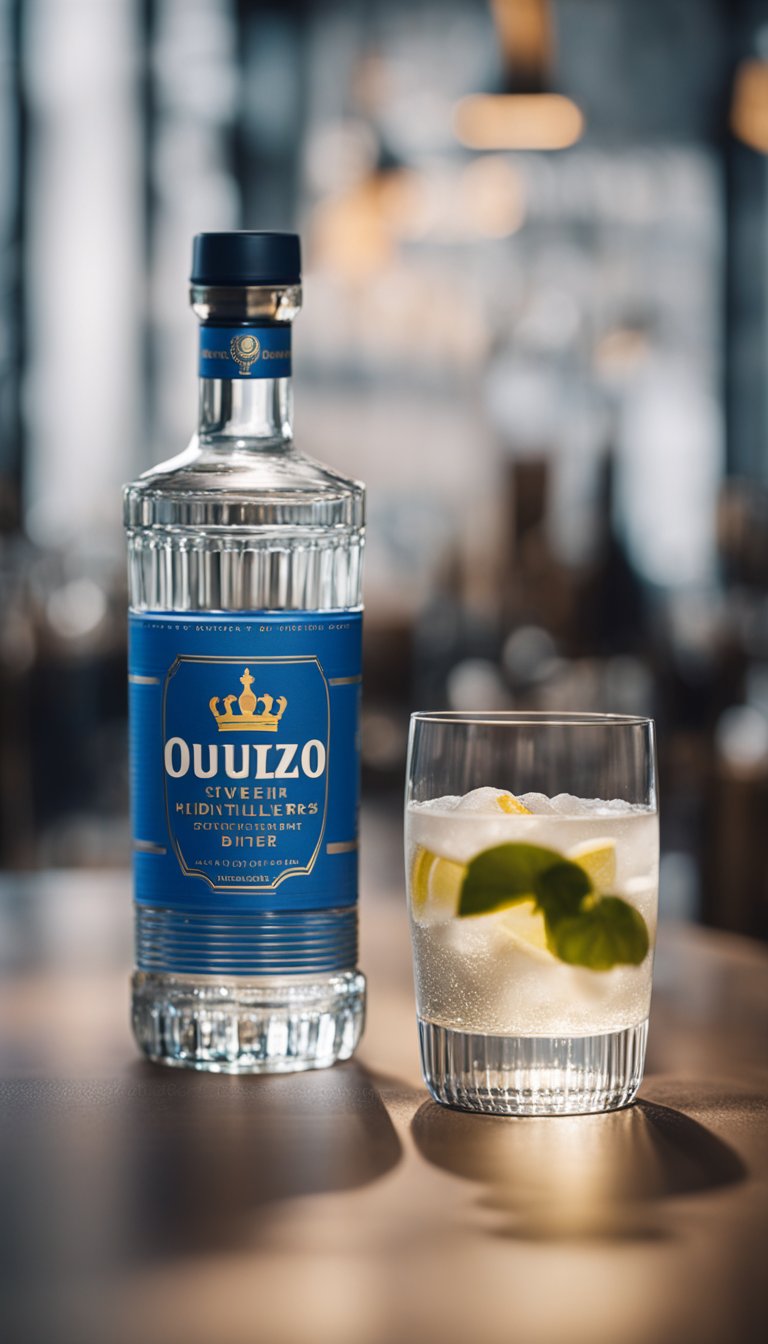
How to navigate distribution channels: Getting Your Alcohol-Free Spirits in front of consumers
In our journey through an exploration into the EU and UK alcohol-free spirit market, we’ve examined market segmentation, consumer preferences, and crafting the most compelling Unique Selling Proposition (USP). Now, we turn our attention towards a crucial aspect to success: distribution channels. How do you effectively get your alcohol-free spirits in the hands of eager consumers? Let’s explore.
Understanding Distribution Dynamics
Before you decide on your distribution plan It is essential to know the particulars of the alcohol-free spirit market. Here are the key facts about today’s distribution environment:
Traditional Retail
Traditional retail channels, such as supermarkets and liquor stores, have traditionally been the principal distribution channels for alcoholic drinks. However, the landscape is changing as consumers search for healthier options.
Online Retail
E-commerce has revolutionized how we distribute of alcohol-free spirits. Internet-based platforms allow consumers to explore a range of choices, making it a potential channel for emerging brands.
Specialty Stores
Specialty stores catering to health-conscious buyers or those looking for unique products have become important distribution partners. Take into consideration partnering up with these retailers in order to access particular markets.
Bars and Restaurants
Bars and restaurants serve as a vital part in introducing the public to spirits that are alcohol-free. Partner with establishments in order to include your products on their menus.
Constructing Your Distribution Strategy
Once you’ve got a grasp of distribution dynamics So, let’s come up with a winning distribution strategy:
Multi-Channel Approach
Take a look at a multi-channel approach to distribution to reach a wider audience. Combine traditional retail, online shopping, and specialty stores to expand the reach of your business.
Online Presence
Invest in a robust online presence. Create a user-friendly online store for customers to browse, order, and learn regarding your product. Optimize your website to be search engine friendly (SEO) to boost online visibility.
E-Commerce Partnerships
Discover partnerships with leading online retailers, like Amazon or specially-designed alcohol-free spirit marketplaces. These platforms have their own communities avid to find new products.
Wholesale Partnerships
Partner with distributors or wholesalers who specialize in alcohol-free beverages. They have established networks and can assist you in bringing your product to the widest range of retailers.
Direct-to-Consumer (DTC)
Consider a Direct-to-Consumer (DTC) option, in which you sell your alcohol-free spirits directly to consumers via your website. DTC lets you earn higher profit margins as well as better customer relations.
Regulatory Compliance
The process of navigating the market for alcohol-free spirits requires compliance with the regulation requirements. Check that your products are compliant with all legal standards, and then obtain the appropriate permits and licenses to distribute.
Consumer Education
The process of educating consumers about your products is critical to ensuring that your products are distributed successfully. Try these ideas:
Informative Website
Create a website that provides precise information on products including cocktail recipes, as well as regularly asked question (FAQs). The information you provide can help the consumer in making educated choices.
Tasting Events
Host tasting events at various distribution points, giving consumers the chance to try your alcohol-free liquor. The events allow for hands-on interaction and help build brand loyalty.
Social Media
Use social media to interact with customers and to share content that educates them about your products and the benefits they can provide. your products.
In the next section, we will discuss to Maintain Market Relevance
When we finish this segment on distribution channels it’s essential to keep in mind that getting alcohol-free spirits into the hands of consumers is only the beginning. In the following section, we will explore strategies for maintaining market relevance and ensuring that you are always meeting changing consumer needs. Be on the lookout for new insights into product innovations and how to stay ahead of your competitors.
Sustaining the Success: Navigating EU and UK Alcohol-Free Spirit Market – Part 5.
Welcome to the third installment of our series that covers market conditions in the EU and UK alcohol-free spirit market. In this concluding article, we’ll take a look at the key aspects of maintaining market relevancy and summarizing the most significant lessons from our travels. We’re going to embark on the last leg of our journey.
Staying Ahead with Innovation
As the alcohol-free spirit market continues to grow in the coming years, staying ahead trends is vital. Here’s how to invent to stay relevant in the market:
New Product Development
Spend money on research and development in order to develop new alcohol-free spirits that meet the evolving tastes of consumers preferences. Make experiments with new flavors along with ingredients and packaging to grab the attention of consumers.
Health and Wellness Focus
Insist on the wellness and health aspects of your products. Focus on the benefits of nutritional supplements, natural ingredients, and how your spirits that are alcohol-free can be part of a balanced diet.
Sustainable Practices
Use sustainable practices for production and packaging. Eco-friendly alternatives resonate with eco aware consumers and could set your brand apart.
Marketing and branding
Effective branding and marketing are pillars to sustained achievement. Use these strategies to your advantage:
Storytelling
Be sure to tell your story via engaging content. It should be clear what the brand’s journey is, its values, and mission behind your alcohol-free spirits in order to get to know your customers on greater level.
Collaborations with Influencers
Join forces with influential individuals in Health and Wellness or mixology sectors. Their endorsement can expand your reach and credibility among your target market.
User-generated Content
Encourage your customers to comment on their experiences using your product on social media. User-generated content can build a sense of community and authenticity in your brand.
Affirming Consumer Trends
Consumer trends are always changing. For staying relevant, be on the lookout and adapt to these trends:
Health and Wellness Trends
As health awareness increases, ensure that your products with the latest wellness trends. Offer low-calorie, sugar-free, or functional alcohol-free spirits in order to meet the demands of customers.
Cultural Celebrations
Tap into cultural celebrations and holidays. Design special cocktails or drinks specially designed for these occasions to make the most of seasonal demand.
Review of Our Journey
Throughout this entire series, we’ve explored the complex landscape of the EU and UK the alcohol-free spirit market. Let’s summarize the key points from each article:
Article 1: Market Segmentation
Understanding your customer’s needs and segmenting your market is vital for the success. Discover niches within the alcohol-free spirit market to customize your offerings efficiently.
Article 2. Crafting a Stunning USP
Crafting a Unique Selling Proposition (USP) helps differentiate your brand. The USP should highlight what sets your alcohol-free spirits apart, whether it’s quality, ingredients, or environmental sustainability.
Article 3: Distribution Channels
Effective distribution is vital. Be proactive and adopt a multi-channel marketing strategy, invest in e-commerce as well as consider partnerships to reach an even larger audience.
4. Regulatory Compliance as well as Consumer Education
It is essential to comply with regulations. Be sure to inform consumers about your brand by providing informative websites, tastings, and engagement on social media.
Article 5: Maintaining Success
Innovation, branding, and adaptation is the most important factor to ensure success. Keep an eye on the latest consumer trends, focus on wellness and celebrate the cultural moment.
Conclusion
In the thriving EU as well as the UK alcohol-free spirit market lasting success requires constant development. From marketing segmentation to distribution avenues, regulatory compliance, and the latest innovations The essential factors that are essential to thrive in this business.
Remember, success isn’t permanent; it’s an ongoing process in constant improvement, and change. By staying agile, consumer-focused, and innovative you will be able to navigate the alcohol-free spirits market with success.
Thank you for being part of us with us on our journey. We hope these tips will help you to make educated decisions and thrive in this dynamic market. Congratulations on your continued success on the road to alcohol-free liquor!
unlocking explosive growth: EU and UK Alcohol-Free Spirit Market soaring Don’t miss out!
Section 1: The Current Landscape
In the world of drinks there is a subtle revolution taking place, and changing the way we experience our drinks. The traditional norm of alcoholic drinks dominating social gatherings being transformed that is particularly evident in areas like European Union (EU) and the United Kingdom (UK). Non-alcoholic or alcohol-free spirits are carving out a niche in the market, and their trajectory for growth is simply amazing.
A booming market
The market of alcohol-free spirits in the EU and the UK is experiencing a phenomenal growth. There is no longer a time when people who were not drinkers or seeking healthier options were only able to choose sparkling water or soft drinks with sugar. Today, an array of alcohol-free spirits graces the shelves of supermarkets and bars and caters to a discerning customer that wants class without alcohol.
market size and trend
To appreciate the magnitude of this change, let’s explore some of the statistics. Recent market studies have revealed that EU and UK alcohol-free spirit market is expected to attain a value of [bold]a.X. billion[/bold] by [bold]20XX[/bold]. This increase isn’t an anomaly; it’s an indicator of changing customer preferences.
Key Players and Their Contributions
The market’s ascent owes much to the trailblazing efforts of key players like [bold]Seedlip[/bold], [bold]Borrago[/bold], and [bold]Lyre’s[/bold], among others. These brands have taken the art of creating spirits that are alcohol-free to new heights making beverages that capture that essence traditional spirit but without the alcohol content.
consumer preferences and emerging brands
The rising popularity of alcohol-free spirits is inextricably tied to evolving preferences of consumers. These days, consumers are more concerned about their health, discerning, and socially conscious. They seek out drinks that go along to their values. spirits that are alcohol free fit the bill perfectly. Moreover, consumers are increasingly seeking unique, palatable alternatives to traditional alcoholic drinks.
With the increase in demand for consumer goods, numerous new brands have emerged to serve the growing market. These brands are marked by the power of innovation, authenticity and an unwavering commitment the highest quality.
Intriguing Possibilities
This rapid growth, which is driven by the changing behavior of consumers can offer exciting possibilities to businesses looking to tap into the EU and UK alcohol-free spirit market. The possibilities are endless however, to utilize it effectively, one has to first understand the underlying forces behind this incredible change.
In the following section in the next section, we’ll analyze these driving forces, while analyzing those factors that are driving the growth of alcohol-free spirit and what this means for businesses trying at navigating the new world.
In the first section We’ve laid the groundwork by discussing the current state in the EU and UK alcohol-free spirit markets. We’ve talked about the size of the market of players, their key roles, and the evolving preferences of consumers. Now, in Section 2, we’ll investigate the factors that drive this market’s astounding growth.

What’s driving the massive Growth in the EU and UK alcohol-free spirit Market?
Section 2: Unveiling the Driving Forces
In our previous article in which we delved into a trip through the new market for alcohol-free spirits in this region of the EU together with UK. The industry’s incredible growth gives a clear picture of the potential. But what’s driving this shift? In this segment we’ll dig into what’s driving the expanding industry.
1. Healthy and Wellbeing Trends
UnpredictablyHealth-conscious consumers are shifting their drink choices. Bold Concerns about the negative impact of drinking alcohol on health has led people to search for alternatives that allow them to enjoy a drink without compromising their overall health. Alcohol-free spirits are catering to this increasing population by providing an enjoyable and safe option. Certain terms such as “low ABV” (alcohol by volume) and “zero-proof” have become buzzwords in the health & wellness sector, indicating a significant shift in consumer preferences.
2. Changes in Social Dynamics
As society evolves, so do our social dynamics. Traditions of heavy drinking as the foundation for social gatherings are beginning to fade. Nowadays, people are choosing greater diversity and more inclusive experiences. Alcohol-free spirits enable everyone to join in the festivities without feeling excluded. They foster a sense of acceptance that fits with the modern culture of socializing.
3. The rise of Mixology and Craft Cocktails
ItalicCraft Cocktail culture has become a global phenomenon. Italic The technique of mixing drinks has developed beyond alcohol consumption, with bartenders and people who are interested in exploring the creative possibilities of alcohol-free spirits. The most complex and flavorful cocktails are created, which redefines what a drink can be. The range of spirit allows mixologists to experiment with a range of flavors. The result is the creation of a variety of non-alcoholic drinks.
4. Support for Regulation
Regulations and policies of the government are a key factor in shaping industries. In recent years, regulators agencies in the EU and the UK have shown their willingness to accept and encourage the growing popularity of alcohol-free spirits. This support includes clearer regulations for labeling, allowing items to communicate more clearly about their ingredients and benefits. These measures help build trust with the consumers.
5. Environmental and Ethical Concerns
The search for sustainable to consume ethically is no longer a fringe issue but an international trend. Alcohol-free spirits are often in line with these goals. They are made with a reduced environmental footprint than traditional spirits and tend to be vegan-friendly. They are sourced ethically and the principles of fair trade boost their appeal.
6. Evolution of Taste Preferences
The consumer’s palate has changed, searching for distinctive and unique flavor experiences. Alcohol-free spirits have responded to the demand by offering a wide selection of options. From botanical-infused alternatives to alcohol-free whiskeys that imitate the smoky flavors of the original and caters to high-end taste profiles. The consumer is no longer willing to compromise on flavor, and alcohol-free spirits have stepped up to the challenge.
7. Marketing and Branding
Effective branding and marketing have played a pivotal role in promoting awareness of spirits without alcohol. Brands with a strong ability to communicate their product’s quality flavor, taste, and health advantages have flourished. Innovative marketing campaigns and endorsements from influential people have reached an even larger audience, sparking interest and boosting sales.
8. Accessibility
The ease of access to alcohol-free spirits has grown drastically. They’re easily accessible in bars, restaurants as well as retail stores. Shopping online has also played a key role in making these products accessible to consumers, regardless of their locality.
9. Competitive Pricing
As the demand for spirits has increased, the market has become more competitive. This has resulted in competitive pricing, making alcohol-free spirit an affordable option for a more diverse range of consumers.
What’s Next?
We’ve seen that a myriad of factors are driving the rapid expansion of EU and UK market for alcohol-free spirits. In the next section we’ll look at the challenges and opportunities businesses will face as they traverse this burgeoning market.
in Section 2 we’ve revealed those driving factors behind the growing popularity of alcohol-free spirits in the EU as well as the UK. In Section 3, we’ll examine the issues and opportunities businesses operating in this market are likely to face.
Redefine Your Retail with Direct Bulk Orders from Swedish Distillers!
Navigating the opportunities and challenges in the EU and UK Alcohol-Free Spirit Market
Third Section: Way Ahead
In the previous parts We’ve examined the staggering growth and the driving forces that drive these trends in the EU and UK liquor-free market. It’s evident that this industry is growing but what’s ahead? In this section, we will navigate through the challenges and opportunities that businesses in this market will likely to face.
Challenges
1. The Regulatory Hurdles
While the support of regulatory agencies has been an important factor but, keeping up with the changing landscape of regulations is a major issue. Making sure that you comply with the labeling requirements and ensuring responsible advertising of alcohol-free spirits is crucial. This means that businesses must stay on top of regulatory updates.
2. Consumer Education
Many people aren’t familiar with the concept of alcohol-free spirits. Educating potential customers about their benefits, flavours, as well as the range of applications for these products is crucial. Brands need to invest in marketing campaigns that highlight the uniqueness of their products.
3. Competition
While the marketplace continues to grow there is a growing competition. Brands need to stand out and keep on innovating to stay relevant. This can be done by developing new flavors, enhancing packaging, and exploring new distribution channels.
4. Scaling Production
Responding to the growing thirst for alcohol-free spirits may be a difficult task for small-scale producers. Making production scale while ensuring high quality is necessary to keep up with market demand.
5. Taste perception and Quality
Believing that alcohol-free spirits don’t have the intensity of flavor or quality comparable to alcohol-based drinks is a constant challenge. Brands have to invest in the research and development process to produce products that match their alcohol counterparts with respect to taste and quality.
Opportunities
1. Diverse Flavor Profiles
The need for varied flavors offers a huge opportunity. Brands are able to explore new and exotic ingredients to develop unique and attractive alcohol-free spirits.
2. Health and Wellness Focus
Continued alignment with wellness and health trends is an enormous opportunity. Brands can benefit from the health benefits associated with alcohol-free spirits, such as reduced calorie counts and fewer hangovers, to inform their marketing strategies.
3. Mixology and Collaborations
Collaborations with restaurants, bars as well as mixologists can bring drinks that are alcohol free to a wider market. Brands can collaborate with experts to come up with exciting and delicious non-alcoholic cocktail recipes.
4. Sustainability
Promoting sustainability and ethical choices in sourcing can be an compelling selling point. People are more interested in products that match their beliefs.
5. Direct-to Consumer Sales and E-commerce
With the growth of e-commerce, brands can expand their reach beyond physical stores. Setting up a strong online presence and offering direct-to-consumer sales can be an important game changer.
What’s Next?
As we’ve learned, the business path for companies within the EU and UK alcohol-free spirit market is full of challenging opportunities and challenges. In the following section, we will discuss strategies to be successful in this competitive landscape, ensuring that your brand remains ahead.
The last section, Section 3, we’ve discussed possibilities and threats facing businesses operating in both the EU in the EU and UK Spirits that don’t contain alcohol. In Section 4 we’ll look at strategies to succeed in this rapidly evolving industry.
Strategies for Success for the EU and UK Alcohol-Free Spirit Market
4. How to navigate the Competitive Landscape
Since the EU as well as the UK alcohol-free spirit market continues to gain momentum, it’s crucial for businesses to be able to navigate the market efficiently. In this article we’ll examine the best strategies and practices to ensure your brand thrives in this dynamic and busy market.
1. Product Innovation
In a marketplace that is overflowing with options, product innovation can be your partner. Continue to study and develop new products and flavors to attract consumers. Explore unique ingredients and blends that stand apart. Try incorporating herbs, botanicals and exotic fruit to create unique and memorable alcohol-free spirits.
Pro Tips Conduct surveys with your customers and gather feedback for understanding the preferences of your customers and their expectations. Take this information and tailor your product development efforts.
2. Brand Differentiation
Being noticed in a industry requires you to have a strong brand story and identity. Explain what makes your business unique and why consumers ought to prefer your alcohol-free drinks over others. Emphasize factors such as your commitment to sustainability, quality and ethically sourced products.
Pro Tips Write a strong brand narrative that is appealing to your desired audience. Let your customers know about your brand’s background, the values it holds, and the work that goes into your products.
3. Collaborations and Partnerships
Collaborations offer a different perspective and broaden your reach. Work with restaurants, bars and mixologists to make distinctive cocktails with no alcohol using your product. These partnerships can expose your brand to a broader crowd and tap into the expertise of industry professionals.
Tips: When collaborating to collaborate, ensure that your business values are aligned with those of the partners that create genuine and meaningful connections.
4. Digital marketing and e-commerce
A strong online presence is not a requirement in today’s world. Spend money on a user-friendly website and make it more optimized for online shopping. Social media platforms can be used for interaction with your target audience and share delicious cocktail recipes, and run targeted ad campaigns.
Pro Tip: Use data analytics in order to comprehend your online audience more effectively. Adjust your marketing and content strategies to reflect their preferences and behaviors.
5. Consumer Education
Enlightening the public about the benefits and benefits of alcohol-free spirit is vital. Create content that is informative through webinars, blogs, as well as social media. Make virtual tastings available for your products. A knowledgeable consumer will be more likely to appreciate worth of what your offerings.
Pro Tip: Develop FAQs and guides to answer the most frequently asked questions of consumers about spirits that are alcohol-free. Use them as a resource that help consumers make informed decisions.
6. Sustainability and ethical practices
Consumers are increasingly aware of ethical and sustainable choices. Be a part of this by sourcing products responsibly, reducing carbon footprint, and contributing to charitable causes. Your commitment to sustainability should be highlighted on your corporate identity.
Pro Tip Sharing your sustainability initiatives in a transparent manner on your site and social media. Transparency builds trust with consumers.
What’s ahead
In Section 4 We’ve talked about the key strategies for navigating the competitive landscape of the EU and UK alcohol-free spirit markets. But, the journey doesn’t stop here. In the next article we’ll look at long-term growth strategies, and then look at what the future holds for this thriving industry.
As we close Section 4, we’ll continue our examination of the EU and UK alcohol-free spirit market in Section 5. In the next section, we’ll discuss the long-term growth potential and the future trends shaping this dynamic industry.
Section 5:”The Future” of the EU and the UK The Alcohol-Free Spirit Market
The tour through the thriving world of alcohol-free spirits in these countries of EU and UK closes with our final section. In this section we’ll peek into the future, and look at possible growth trends in the coming years and emerging trends which are shaping our perceptions of this thriving industry.
The Market that is Growing
As we’ve observed in the earlier sections, the alcohol-free spirit industry in both the EU and UK has seen a rapid growth in recent years. The demand for sophisticated and alcohol-free alternatives isn’t anymore a trend, but a fundamental shift in consumer preferences. This trend is set to keep growing.
Growth Drivers Key to Success
Several factors are contributing to the continuous growth of market for alcohol-free spirits.
-
Health and Wellness: As consumers become more conscious of their health, they are seeking alternatives that let them have mixed drinks and cocktails without the negative effects of alcohol.
-
Innovative Product Offerings: The market will see an unending flow of innovative and diverse alcohol-free spirit brands. Brands will test new flavor profiles, ingredients, and production methods.
-
Mixology Culture The growth of mixology culture along with craft cocktails are fueling the demand for alcohol-free, premium spirits. Mixologists and bartenders are making intricate, non-alcoholic cocktails that are making these drinks more popular.
-
Sustainability: Sustainable and ethical practices are becoming more prominent. Companies that place a high value on sustainability in ingredient sourcing, packaging, and production will likely get an edge in the market.
Consumer Education and Awareness
Future growth of the market for alcohol-free spirits depends on education for consumers. As more consumers are aware of the options readily available, they’ll research information about how to utilize spirits without alcohol in cocktails, blend them with food and integrate them into their lives.
FAQs Concerning Alcohol-Free Spirits
Q1 Does alcohol-free spirit really alcohol-free?
A1: Alcohol-free spirits are alcohol-free and contain no or a minimal amount of alcohol, typically less than 0.5 percent ABV (alcohol through volume). This makes them drinkable without the intoxicating effects that alcohol can bring to drinks.
Q2: Can I make alcohol-free spirits work for cocktails?
A2: Alcohol-free spirits can be utilized as a base for cocktails, much like traditional spirits. They work well in classic cocktails like Mojitos, Cosmopolitans, and Negronis. There is a lot of room for experimentation in creating unusual non-alcoholic drinks.
Q3: Do alcohol-free spirits taste similar to their alcohol-based counterparts?
A3 Many alcohol-free spirits seek to imitate the taste in traditional spirits. While some come remarkably close but taste may differ between brands and products. It’s best to explore different alternatives to find the flavor that you like.
The Role of Technology
Technology will play an important aspect in the future of the industry. E-commerce platforms and online sales will continue to increase providing consumers with a convenient way to access alcohol-free spirits. Online tastings and brand experience, as well as personalized recommendations powered by AI can increase customer satisfaction.
The Conclusion Growing Future
The series traversed the diverse and dynamic landscape and complexities of EU and UK alcohol-free spirit market. From its genesis and development to product innovations, market strategies, and the competition landscape, we’ve discovered the many facets of this ever-growing business.
After this journey, it’s clear that the alcohol-free spirit market isn’t just a trendy trend and is a trend that is changing the way we think about and consume beverages. With a dedication to quality and innovation, as well as sustainability and education for consumers and sustainability, brands will thrive in this booming market.
Thank you for joining us on this journey into our world of spirit that is alcohol-free. It doesn’t matter if you’re a manufacturer looking to build a name for yourself or a consumer looking for distinctive choices there’s a numerous opportunities within this exciting business.
We hope that you find this series insightful and motivating. This is the time to look ahead to spirit that is alcohol-free in the EU and the UK!
The exploration of Botanical Alcohol Free Spirits within the EU: A New Wave of Flavor
In recent times, there has been a dramatic change in the world of drinks, notably in the European Union (EU). People are increasingly seeking alternatives to traditional alcoholic drinks that don’t compromise on tasting and experience. This is leading to the fascinating world of botanical alcohol-free spirits.
It is the Botanical Renaissance in EU Drinks
Imagine sitting in a chic bar in the middle of Barcelona, sipping a refreshing and fragrant cocktail. This is a sensory trip through a botanical garden, each sip showing layers of depth. What is it that sets this drink apart? It’s alcohol-free, and infused with the essence of nature.
This scenario is not something that is just a figment on a growing trend in the EU beverage industry. Botanical alcohol-free spirits are enthralling customers with their unique flavor and aromatic qualities, which make them the latest trend in the drinks scene.
What is it that makes Botanical Alcohol Free Spirits distinctive?
Botanical alcohol free spirits derive their distinctive flavor from a carefully curated collection from natural components. These spirits are created by expert distillers that focus on taste and quality.
Bold, italic, and underline formatting allow us to emphasise the essential features of botanical spirits that are alcohol-free:
-
Flavor Profiles: The spirits provide the widest range of flavors starting from the zesty citrusy to the herbal and spicy. They’re designed to please the palate while stimulating the senses.
-
Essential Qualities of Aroma: Ingredients from the botany such like lavender, juniper and coriander produce aromatic symphonies that entice the senses and enhance the overall drinking experience.
-
Nature-based Ingredients As opposed to the numerous artificial components found in certain alcoholic beverages, botanical spirits rely on natural and pure ingredients like spices, herb, botanicals, and fruits.
Imagine sipping a glass spirit that is alcohol-free, infused with fruit, lemon peel and cardamom. The juniper gives a gentle piney flavor, while lemon peel adds some freshness, and the cardamom imparts a hint of warmth and spice. This intricate mix of flavors is what sets botanical alcohol-free spirits apart.
Since we’ve introduced to the world of botanical alcohol-free spirits as well as their distinctive qualities, let’s delve deeper into the vibrant brands of Europe that are the leaders in creating these wonderful drinks. In the next part we’ll focus on some of the top brands and their commitment to quality as well as innovation.
Join us for Part II as we look into the EU’s flourishing Alcohol-Free Spirit Brands.
Step Ahead with Direct Bulk Orders: Swedish Distillers’ Alcohol-Free Spirits for Your Business!
The pioneering brands that craft Botanical Alcohol-Free Spirits
As demand for natural alcohol-free spirits continues its rise all over the European Union (EU), inventive brands are rising to the challenge and changing the way we consume non-alcoholic beverages. In this section we’ll take a close look at some of the most innovative brands that are making waves in this exciting new world.
**1. Seedlip: A Study in the Art of Distillation
Bold and Underlined In regards to alcohol-free spirits made from botanicals, Seedlip is a name that usually stands out. In the year 2000, founded by Ben Branson, Seedlip has mastered the art of distillation to create a range of premium alcohol-free spirits.
Seedlip’s most well-known product, Seedlip Garden 108, is created using a unique blend of hay, peas, spearmint. rosemary, and thyme. It is a spirit with a refreshing, herbal flavor, ideal for making sophisticated cocktails.
**2. A+corn Aperitifs: Enhancing Your Aperitif experience
Italicized A+corn Aperitifs is another company from the EU that is doing well in the realm of alcohol-free, botanical spirits. They specialize in making alcohol-free aperitifs that are great to sip before dinner or as a base drink for cocktails.
A+corn Bitter provides a robust and complex flavor, reminiscent that of classic bitters. A+corn Bitter is a complex blend herbs, like chinchona grapefruit, oak, it’s a stylish alternative to alcoholic Aperitifs.
**3. Lyre’s: A World of Alcohol-Free Options
Lyre’s is an international brand that has earned a reputation for its broad selection of alcohol-free spirits. From non-alcoholic gin, rum and gin to amaretto and whiskey, Lyre’s offers a diverse selection that accommodates a vast variety of preferences.
Underlined one of their outstanding products, Lyre’s American Malt, provides the rich, oaky, and caramel notes one would expect from a whiskey that’s traditionally made. It’s an ideal choice for people who desire to experience the full flavor of whiskey, but without the alcohol content.
**4. Ceder’s: Ceder’s: The Spirit of Sweden
Italicized Ceder’s hails from Sweden has a unique blend of pure Swedish waters with unusual South African botanicals to create special alcohol-free spirits. Ceder’s refreshing and crisp Wild is an example of their commitment to the highest quality and taste.
The aroma is of juniper oregano, and rosemary, Ceder’s Wild gives a lovely fusion of Scandinavian as well as South African influences, making Ceder’s Wild an exceptional choice in the world of herbal alcohol-free spirits.
**5. Everleaf: An Orchestra of Botanicals
Bold and Underlined: Everleaf is a company that is known for its ability to capture the various flavors of nature. The alcohol-free cocktails are carefully made using a mix of botanicals that result in sophisticated and intricate flavor profiles.
Everleaf’s Forest is a great example, featuring notes of Douglas fir, moss, and spiced cherry. It’s a true representation of a thriving forest, providing a unique and immersive tasting experience.
**6. Stryyk: Zero Proof, All Flavor
Stryyk, which is based in UK, is on a mission to create zero-proof solutions which don’t compromise taste. The product range offers alcohol-free alternatives for gin, rum, and vodka.
Italicized: Stryyk Not Gin, for instance, delivers the traditional gin tasting experience with no alcohol content. With botanicals like juniper rosemary, and basil, it’s an excellent option for making botanical cocktails.
**7. Nona June: The Spirit of Mediterranean Life
Underlined The brand Nona brings a touch of Mediterranean magic to the world of botanical alcohol-free spirits. Their offerings draw inspiration from Mediterranean botanicals and flavors, resulting in beverages that are both vibrant and refreshing.
Nona June’s Alcoholic Free Italian Aperitivo offers a taste of Italy with some blood orange bitter herbs, blood orange, and gentian root. It’s an excellent choice for those wanting a tasting at the Mediterranean but without alcohol.
Join us in Part III as we delve into ways to consume alcohol-free botanical spirit.

Crafting Cocktails with Botanical Spirits that are Alcohol-Free The Bartender’s Guide
In the third installment of our exploration of herbal alcohol-free spirits found in the European Union (EU), we’re taking a dive into the thrilling world of cocktail crafting. The popularity of non-alcoholic drinks rises, bartenders along with mixologists throughout EU are taking on the challenge of creating unique as well as sophisticated cocktails that are alcohol free. Join us as you discover how to create exquisite alcohol-free botanical cocktails that will delight the senses.
the art of Mixology that is alcohol-free Mixology
Bold and underlined: The Rise of Mixologists
With the increase in demand of alcohol-free alternatives, mixologists have been thrust into the limelight. Mixologists are akin to alchemists, transforming botanical alcohol-free spirits into tasty drinks that compete with alcohol-based counterparts.
Italicized: The Magic of Ingredients
The key to creating unique botanical alcohol-free cocktails is the choice of ingredients. Mixologists will often make use of fresh fruits, herbs, as well as quality alcohol-free botanical spirits as the building blocks. These ingredients enrich each creation with layers of aroma and flavor.
Botanical Cocktails Recipes to Savor
Let’s go over some tempting cocktails that are made of botanicals and alcohol free. They have been captivating patrons in bars and restaurants across the EU.
Bold and Underlined: The Garden Refresher
This cocktail is a showcase of Seedlip Garden 108, a refreshing spirit that is alcohol free and has peas and hay, spearmint or rosemary, as well thyme.
Ingredients:
- 50 ml Seedlip Garden 108
- 15 ml elderflower cordial
- 20 Ml fresh lime juice
- A few fresh mint leaves
- A splash of soda water
- Ice cubes
Instructions:
- In a shaker, gently mix the mint leaves.
- Add Seedlip Garden 108, cordial of elderflower, and lime juice.
- Add ice to the shaker and shake it vigorously.
- Pour the mixture into a glass that is filled with some ice.
- Drink it up with soda water and garnish with a bit of mint.
Italicized: The A+corn Spitz
Acorn Cocktails have made their mark in the world of mixology without alcohol, and this recipe showcases the distinct A+corn Bitter.
Ingredients:
- 50 ml A+corn Bitter
- 100ml of tonic water
- A grapefruit slice
- Ice cubes
Instructions:
- Fill a glass with wine and the ice cubes.
- Pour in A+corn Bitter.
- Add the tonic water and gently stir.
- Garnish with a piece of grapefruit.
Designing Your Signature Cocktail
Underlined The Art of Personalization
One of the many benefits of mixology is the capability of personalizing cocktails. Bartenders can experiment with different flavors, infusions and garnishes to create unique cocktails that cater to the preferences of their guests.
Italicized: Stryyk and Lyre’s Flexible Foundations
Lyre’s and Stryyyk’s are versatile alcohol-free spirits, which makes them ideal choices for making numerous cocktails. Whatever you’re planning to make, whether it’s a fruity mocktail or an alcohol-free classic cocktail the brands listed above have you covered.
Join us for Part IV: The Botanical Alcohol-Free Spirit Revolution Keeps Going
In the next segment of the series, we’ll discuss the trend of combining botanical alcohol-free spirits alongside food. From delightful appetizers to sumptuous main dishes, we’ll look at how these new spirits enhance meals. Don’t miss out on this exciting trip!
It’s the Art of Pairing: Botanical Alcohol-Free Spirits and Gastronomy
In our exploration of botanical alcohol-free spirits from the European Union (EU), we’ve been exploring the world of mixology, and tasted exquisite cocktails created with these creative blends. The fourth part of our series, we’re going to focus on an intriguing endeavoraEUR”pairing the botanical spirits that are alcohol free with food. Find out how these alcohol-free spirits can elevate your culinary experience throughout the EU.
Improving the Dining Experience
Bold and Underlined: Beyond the Beverage
Botanical alcohol free spirits aren’t only drinks. They’re multi-purpose ingredients that chefs as well as cooks at home are using into their recipes. From snacks to desserts, the options are endless.
Italicized A Spectacle of Flavors
Mixing botanical alcohol-free spirits and food is akin to creating the sounds of a symphony. The herbal and botanical notes in these spirits could complement and enhance the flavor profile from various meals.
The Botanical Spirit Pantry
Let’s discuss some of standout botanical alcohol-free spirits and how they can be easily utilized in your kitchen.
Bold and Underlined: A+corn Bitter
The aromatic, alcohol-free aperitif A+corn bitter, is noted for its deep and complex flavors, that remind us of traditional bitters. Its adaptability extends to cooking.
Partnering Tips:
- Appetizer A few drops of the liquid over a fresh Caprese salad to give it a touch in bitterness to offset the sweetness of tomatoes and mozzarella.
- Menu A marinade can be made with A+corn Bitter and olive oil as well as garlic and herbs for grilling vegetables or tofu.
- Dessert: Add a sprinkling on chocolate desserts to intensify the flavor.
Italicized:”Lyre’s Dry London Spirit
This non-alcoholic substitute for London Dry Gin, Lyre’s Dry London Spirit, boasts the junipery-forward classic taste of Gin, but without alcohol.
Matching Concepts:
- appetizer: Use it as a basis for a refreshing cucumber and mint cocktail or mocktail to go with seafood.
- Main Course The idea is to create a sophisticated sauce by cutting down on the Lyre’s Dry London Spirit with shallots or cream as well as herbs for pasta and poultry dishes.
- Dessert: Integrate it into recipes for sorbets to make a delicious and alcohol-free treat.
The Botanical Alcohol-Free Spirit Revolution Continues
Underlined A Trend that is Growing
As culinary trends evolve, the integration of botanical alcohol-free spirits into gastronomy continues to prosper. Leading restaurants as well as innovative kitchens are joining this new trend, and providing guests with memorable dining experiences.
Italicized: Join Us on Part IV: Exploring the European Union’s botanical alcohol-free Spirit Landscape
In the final part of our journey through the world of alcohol-free botanical spirits, come along for the last segment of the series. We’ll investigate the wide array of botanical alcohol-free spirit in the EU and highlight the kinds, flavors, and technological innovations that are shaping this new and exciting market.
Keep an eye out for our big finale where we’ll finish this fascinating study of the botanical alcohol-free spirit revival!
exploring Botanical Alcohol and Spirits in the EU A Culinary Odyssey
It’s the end of our journey through the intriguing world of herbal alcohol-free spirits found within the European Union (EU). In this fifth and the final installment in our series we’ll take a culinary trip, writing about our adventures, and pondering the ever-changing scene of alcohol-free spirits. We invite you to join us for an exquisite and informative journey.
Recap of Our Botanical Adventure
Before we get into the culinary aspects, we’ll review the amazing journey we’ve been on:
Section 1. Uncovering the World of Botanical Alcohol-Free Spirits
In the beginning of our segment, we introduced you to the fascinating realm of botanical alcohol-free spirits. We discussed their history practices for production and their wide range of botanical elements that make them distinct.
Section 2: Making extraordinary Botanical Alcohol-Free Cocktails
In our 2nd installment we looked into mixology in which we explored the art of making amazing alcohol-free cocktails with these incredibly versatile spirits. From classic cocktails to inventive cocktail creations, we’ve seen mixologists pushing the boundaries of creativity.
Section 3: Health and Wellness Aspects Health and Wellness Aspects
Our third segment was devoted to the health and wellbeing aspects of botanical alcohol-free spirits. We spoke about the benefits from choosing alcohol-free options both for physical well-being and mental peace.
Section 4: Combining Botanical Alcohol-Free Spirits with Gastronomy
In the previous part of this series we looked at the fascinating world of pairing botanical spirits that are alcohol-free with food. From appetizers to desserts, we’ve discovered ways these spirits can improve eating experience.
The Culinary Artistry of Botanical Alcohol Free Spirits
Italicized: A Harmonious Marriage
Mixologists, as well as experts in culinary fields, are increasingly recognizing the harmonious mingling of botanical spirits that are alcohol free and gastronomy. The botanical and herbal notes in these spirits create a range of flavors that elevate cuisine to greater standards.
Savoring the Moment
In this segment, we’re inviting guests to take in the moment as we dive into the captivating world of culinary pairings and innovative ideas involving botanical alcohol-free spirits.
Underlined: The Art of Sipping and Savoring
In the event of dining at a Michelin-starred restaurant or exploring your culinary talents at home, botanical alcohol-free spirits have made a splash on the table. Home cooks and chefs alike are incorporating these spirits into their dishes, resulting in unique and delicious meals.
Bold and Underlined: A Pantry of Possibilities
From the earthy character of A+corn’s Bitter to Lire’s juniper-forward Dry London Spirit, the botanical alcohol-free spirit pantry is full of possibilities. These spirits function as crucial ingredients in blending dishes with novel flavors and aromas.
A Experience of Botanical Alcohol-Free Spirits in Gastronomy
Let’s take a moment to consider some creative ideas and pairings:
Appetizer Inspiration:
- Italicized Start your culinary journey by enjoying a healthy and vibrant dish, for example, a cucumber or mint salad, drizzled with a hint of botanical alcohol-free spirit to awaken the taste buds.
Main Course Magic:
- Bold and Underlined: Elevate your main course by adding a sophisticated sauce, made by cutting down spirits that are alcohol-free with botanicals, including cream, shallots and a blend of herbs.
Dessert Delights:
- Underlined: Conclude your culinary experience with a wonderful sorbet made of alcohol, that has been enriched by the zingy flavors of botanical spirits.
Conclusion: Cheers to an Botanical Renaissance
When we pour and toast to the new year with a glass (filled with botanical alcohol-free spirits naturally), let’s toast to the incredible journey we’ve made. The revival of botanical alcohol-free spirits is on the move providing us with innovative choices which promote health, innovation, and culinary excellence.
Throughout this entire series, we’ve been able to discover the vastness and variety of botanical alcohol-free spirits. We’ve also learned about their contribution to mixology, their contributions to wellness and pairing possibilities with food and beverages, and the ever-growing presence of these spirits throughout Europe. As the culinary industry is evolving they remain on the cutting edge of technology.
A toast To New Beginnings
As a final note, we invite you to explore the world of botanical alcohol-free spirits, to experiment with new recipes, and to indulge in moments of wellness and culinary delight.
Thank you for joining us on this journey. In the meantime, be aware that the enticement of alcohol-free botanical spirits in Europe is just a sip away.
Making your own unique alcohol-free cocktails in the UK How to Understand the Trend
The world of cocktails is witnessing the most dramatic transformation and it’s no longer just about classic mojitos and margaritas no more. The United Kingdom, known for its diverse drinking culture is seeing a surge in a completely new kind of drink – alcohol-free cocktails. In this the first chapter in our series of signature cocktails that are alcohol-free in the UK We’ll look into the popularity of alcohol free cocktails and the increasing popularity of these drinks.
The evolving landscape of beverage consumption
The world of drinks in the UK is changing at a rapid rate. While traditional alcoholic beverages still have a prominent place in the market, there’s a clear shift in the preferences of consumers. The majority of people are seeking healthier, more conscious alternatives to their favorite tipples. This shift is part of the global trend that consumers are becoming more conscious of their overall health.
One of the most notable trends that is sweeping the world is the popularity in alcohol-free beverages. They can be referred to as mocktails virgin cocktails, mocktails, or alcohol-free libations, these drinks attract the attention of both consumers and mixologists alike. Bars that do not contain alcohol are popping up across the UK providing a diverse variety of creative and refreshing non-alcoholic cocktails that go above and beyond what you would expect from a soda or juice.
Health and Lifestyle Trends
The growth in alcohol-free cocktails coincides with broader wellness and lifestyle trends that are taking place in the UK. As people get more aware of their health and adopt wellness-focused lifestyles their drink choices change accordingly.
Alcohol-free cocktails make a perfect addition to the new health-conscious lifestyle. They allow you to enjoy an exquisite drink, without negative effects of alcohol. This style of drinking is not limited to those who are not drinking alcohol but people who want to drink a variety of delicious, non-alcoholic drinks, without risking their health.
Why Is This Trend Relevant?
Being aware of the rising popularity of alcohol-free drinks is crucial to anyone wanting to create your own unique cocktails. As the demands for these beverages increase growing, it’s more essential that you understand the art behind mixology, without alcohol. In the next part, we will explore the most essential ingredients and equipment needed to make unique alcohol-free drinks, giving you the basics to create your own delightful drinks.
Let’s take a dive into the world of mixology that is alcohol-free and learn the secrets of creating your own unique alcohol-free cocktails all right in our own UK.

Redefine Your Retail with Direct Bulk Orders from Swedish Distillers!
Designing your unique Alcohol-Free Cocktail in the UK Essentials for Mixology
We’re back with our series on creating signature alcohol-free drinks within the UK. In this segment, we’ll explore the essential ingredients and equipment needed to start your alcohol-free mixology journey. Based on the groundwork we set in the earlier section on the rise and popularity of cocktail drinks that are alcohol-free, let’s dig into the tools and tastes that will improve your mixology skills.
It’s a Palette of Flavors
The appealingness of alcohol-free cocktails is in their capacity to intoxicate your taste buds with a symphony of flavors. To create memorable drinks you require a wide assortment of flavors. Here are a few of the most important components:
1. Fruits and Juices Fresh Fruits and Juices
The essence of drinks that are alcohol-free is the freshness that comes from fruits and juices. From zesty citrus fruits like lemons and limes to juicy and sweet berries, these natural components deliver a delicious taste. It is important to invest in a good juicer to squeeze the freshest juices that you can.
2. Syrups and Sweeteners
Syrups, sweeteners such a honey, simple syrup, agave nectar, and grenadine are vital to neutralizing flavors. They provide the sweetness and depth of your cocktails. Try out flavored syrups for a different twist.
3. Herbs and Spices
Herbs and spices like mint, basil cinnamon, ginger, and mint can take your alcohol-free drinks to a higher level. They add flavor and depth to your drinks.
4. Bitters
Bitters are concentrated flavor agents that add depth and flavor to your drinks. Although they usually contain alcohol but you can also find alcohol-free versions that achieve similar results.
Mixology Equipment
To craft professional-quality cocktails, you’ll need the right tools. These are the tools you need:
1. Shaker
Cocktail shakers are necessary in mixing ingredients properly. You can pick between a variety kinds, including the classic Cobbler shaker and the Boston shaker.
2. Mixing Glass and Spoon
For mixing cocktails, a mixing glass and an extra-long-handled spoon are necessary. They can be used to gently mix ingredients while maintaining their quality.
3. Strainer
The strainer will ensure that the cocktails are smooth and free from broken ice crystals or herbal. Consider using a Hawthorne strainer for most cocktails.
4. Jigger
Accurate measurements are essential to constant consistency and quality in your mixology. Jiggers are a great tool to measure ingredients precisely and ensure that your cocktails taste just right.
5. Glassware
Get yourself a wide selection of glassware, including martini glasses, highball glass, rock glasses, and martini glasses. The choice of glass will profoundly affect the presentation of your drinks.
Alcohol-Free Spirits
While traditional spirits like vodka, gin, and rum aren’t present in alcohol-free cocktails, there’s a growing market for alternatives to alcohol. Brands like Seedlip or Ritual Zero Proof offer alcohol-free spirits that are able to capture the essence and sophistication of alcohol-based cocktails.
Why are these essentials Important?
An adequately-stocked bar with a diverse range of flavors and the right mixology equipment is essential to making exceptional alcohol-free cocktails. The ingredients and equipment provide an opportunity for experimentation and innovation while making your drinks stand out.
In the next segment, we’ll dive into how to create specific recipes for cocktails without alcohol. We’ll walk you through the steps and provide some innovative concepts for you to explore. Mix, shake, and stir your way to perfect cocktails in the heartland of the UK.
How to make your own unique cocktails that are alcohol-free in the UK recipes to impress
In the two previous parts of our series, we’ve explored the rising popularity of alcohol-free cocktail in the UK as well as the crucial ingredients and equipment required for mixology. Now, it’s time to put this knowledge into practice. In this section, we’ll provide you with the best recipe cocktails that are alcohol free and sure to please your guests.
The Citrus Sparkler
Ingredients:
- 2 fresh squeezed orange juice
- 1 oz freshly squeezed lemon juice
- 0.5 oz simple syrup
- 3 oz soda water
- Lemon twist to garnish
Instructions:
- Fill a highball glass with water and ice.
- Mix freshly squeezed orange juice and lemon juice, in addition to the simple syrup.
- Mix gently until it is all combined.
- Then top with soda water and finish with the lemon twist.
- Serve immediately and enjoy the refreshing burst of citrus flavor.
Berry Bliss Mocktail
Ingredients:
- 1/2 cup mixed berries (strawberries, blueberries, raspberries)
- 1 oz fresh lime juice
- 1 oz simple syrup
- 3 oz sparkling water
- Fresh mint leaves for garnish
Instructions:
- In a cocktail shaker, mix the berries.
- Mix fresh lime juice with simple syrup.
- Shake vigorously with ice.
- Pour the mix into a chilled glass, filled with the ice.
- Add sparkling water to the top and garnish with green mint leaves.
- Drink and enjoy the wonderful blend of berry and citrus flavors.
Minty Mojito Mocktail
Ingredients:
- 6-8 fresh mint leaves
- 1 oz fresh lime juice
- 1 oz simple syrup
- 4 oz soda water
- Lime wedge and mint sprig for garnish
Instructions:
- In a glass, gently muddle the mint leaves that are fresh.
- Affix fresh lime juice and simple syrup.
- In the glass, add ice.
- Then top with soda water, and stir slowly.
- Garnish with a lime wedge and a mint sprig.
- You can transport yourself to a tropical paradise with this minty sweet.
Ginger Spice Fizz
Ingredients:
- 2 oz ginger beer
- 1 oz apple cider
- 1/2 oz fresh lemon juice
- 1/2 oz simple syrup
- Apple slices that are thin and thin to garnish
Instructions:
- Make sure to fill a highball glass an ice cube.
- Combine ginger beer, apple cider fresh lemon juice as well as simple syrup.
- Stir well.
- Garnish with slices of apple to add a touch of elegance.
- You can enjoy the spicy warmth and spiciness of ginger and the crispness of apples in each glass.
Lavender Lemonade Refresher
Ingredients:
- 2 oz lemonade with lavender (steep and dry the lavender buds in lemonade along with the strain)
- 2 oz coconut water
- 1/2 1 oz honey syrup (equal parts hot water and honey, cooled)
- Lemon wheel and lavender sprig for garnish
Instructions:
- In a glass, add ice.
- Combine lavender-infused lemonade, coconut water, along with honey syrup.
- Swirl gently.
- Garnish with a lavender stem and lemon wheels.
- Relish the tranquil scent from lavender paired with zest of lemon.
The Next Step is to experiment
These recipes are just the beginning of your alcohol-free mixology journey. Try out different flavors, herbs, and spices to make your own signature cocktail. In the next part we’ll look at sophisticated mixology techniques as well as provide additional recipes to master. Prepare to improve your skills and impress your friends with your alcohol-free creations.
Mastering the Art of Alcohol-Free Mixology The Latest Techniques
In our trip through the world of non-alcoholic mixology, we’ve gone over the basics, examined the most important ingredients, and included some great recipes. Now, it’s time to increase your mixology proficiency towards the top of your game. In this segment, we’ll investigate advanced techniques that will elevate your alcohol-free cocktails into an art style.
Infusion: The Art of Infusion
Infusing your ingredients with an ideal way increase the quality and sophistication to your alcohol-free cocktails. Here are some suggestions to help you get started:
-
Fruit-Infused Water: Play around with the idea of infusing your water with fruits like strawberries, cucumbers, or watermelon. Let the flavors blend for a refreshing base.
-
Herb-Infused Syrups Create distinctive syrups by infusing them with herbs such as rosemary, basil, or thyme. These syrups can add additional flavors to your drinks.
-
Tea and Spice Infusions: Infuse tea or spices like cloves, cinnamon or cardamom in your mixers for a hint depth and warmth.
Crafting Signature Bitters
Bitters are a crucial component of many classic cocktails, and you can create your own alcohol-free versions. Here’s how:
-
Formulation: Begin with an neutral foundation, such as glycerin. Include botanicals like dried peels of citrus, spice, and herbs.
-
Process: Combine your chosen ingredients in a glass container and let them infuse to a couple of weeks. Shake the jar occasionally. Strain the mix, and you’ve got your personal bitters.
-
Exploring: Play with different combinations of flavors to create unique flavours that go well with your drinks.
Garnishing: The Art of Garnishing
An appropriately chosen garnish not only creates a visual impact, but it also increases the flavor and aroma of alcohol-free drinks. Consider these garnishing techniques:
-
Citrus Twists: Make use of a peeler with a citrus for elegant twists of lime, lemon, or orange. These are not just beautiful as well, but they release the citrus’ oils as you drink.
-
Fresh Herbs: The freshness of herbs such as mint, basil or rosemary not only add an accent of color, but also infuse your drink with their delicious aromas.
-
Delicious Flowers Edible flowers like pansies, violets, or Nasturtiums can add a touch elegance and fragrance to drinks.
The Molecular Mixology
To the mixologist who is a bit adventurous molecular methods can provide the magic touch to your designs:
-
Spherification: You can make tiny liquid spheres using sodium aginate and calcium chloride. They explode when you bite them creating a explosion of flavor.
-
Foaming: Use a nitrous oxide charger to create foams that will sit atop of your drinks, creating an elegant texture and a unique appearance.
Collaborate and Invent
Don’t be reluctant to collaborate together with other mixologists and attend workshops and seminars. The world of mixology in collaboration with others could lead to exciting discoveries as well as innovative techniques.
As you refine your mixology skills, be sure to keep your audience in mind. Becoming aware of their preferences, and then experimenting with new flavors will differentiate you as an expert in alcohol-free mixology.
In the concluding section We’ll conclude our experience and provide concluding thoughts. You’re getting ready to impress your friends and guests with your craft.
An exploration of the art of alcohol-free Mixology: A Path to amazing Mocktails
Welcome to the grand finale of our alcohol-free mixology adventure. Through the four posts we’ve delved into how to make exquisite cocktail recipes that don’t contain alcohol, from basic techniques to the more advanced. Today, we’ll end our exploration with a look at the basic principles of masterful cocktail creation.
The essence of Mocktails
Mocktails, which are the non-alcoholic cousins of cocktails, provide delicious combinations of flavors scents, flavors, and imagination. They’re a fun alternative for those who don’t want to drink, but are looking to indulge in some sophisticated beverages.
The Basics Reviewed
Before we get started in this direction, let’s go over the fundamentals of creating amazing mocktails.
-
balance: The same as cocktails Mocktails rely on an harmonious balance of flavors. Pay attention to the bitter, sweet, sour and umami flavours in your drink.
-
Fresh Ingredients: Be sure you choose the freshest fruit, herbs, and juices. Freshness improves the overall taste you drink.
-
Texture is Important: The mouthfeel of drinks is crucial. Examine the amount of fizziness, thickness or creaminess that is a good match for the ingredient you choose.
It’s the Mocktail Mixologist’s Toolkit
To create the most effective mocktails, it’s necessary to have a well-equipped toolset:
-
Quality Glassware: Make sure you invest in stylish glassware to show off your work. The perfect glass can boost the appearance that your drink.
-
Bar Tools: Install bar tools such as shakers strainers, muddlers, and jiggers. These tools make the mixing process much more precise and efficient.
-
Unique Ingredients: Find out about special ingredients such as flavored syrups, bitters and non-alcoholic spirits to add complexity to your mocktails.
Crafting Unforgettable Mocktails
Let’s take off on our journey to create unforgettable mocktails that make a imprint on the guests you serve.
Mocktail Magic: Signature Recipes
1. Citrus Sunrise Bliss
Ingredients:
- 1 oz fresh orange juice
- 1 oz fresh grapefruit juice
- 0.5 oz grenadine syrup
- 2 oz sparkling water
- Ice cubes
- Orange slice and maraschino Cherry to garnish
Instructions:
- Fill a highball glass with frozen cubes of ice.
- Pour the grapefruit and orange juices over the ice.
- Slowly add the grenadine syrup in order to create a stunning sunrise effect.
- Add sparkling water and gently stir.
- Garnish with a slice of orange and maraschino cherry.
2. Minty Melon Euphoria
Ingredients:
- 2 oz fresh honeydew melon juice
- 0.5 oz fresh lime juice
- 0.5 0.25 oz honey syrup (equal parts hot water and honey cooling)
- 4-6 fresh mint leaves
- Crushed ice
- Mint sprig and melon ball for garnish
Instructions:
- Mix the mint leaves together in a shaker.
- Add lime juice, honeydew melon juice and honey syrup into the shaker.
- In the shaker, add crushed ice and shake vigorously.
- Strain into a chilled martini glass.
- Add a sprig mint along with a melonball on an skewer.
Concluding: Cheers for Your Mocktail Mastery
Through our exploration of the world of alcohol-free mixology, we’ve learned the essentials learned about advanced techniques and learned the art of creating unforgettable mocktails. You’ve got the skill and expertise to amaze your guests and loved ones by creating a masterful mocktail.
Let’s recap our five-article voyage:
-
The Basics of Alcohol-Free Mixology: Beginning with fundamentals, knowing the importance of balance, ingredients, and presentation.
-
Exploring the Essential Ingredients Following, we went to the depths of vital ingredients, ranging from fresh fruit and herbs to syrups and bitters.
-
Upgrading Your Mixology Game: We elevated our capabilities by exploring infusions, making signature bitters, and experimenting with molecular mixology.
-
The Art of Garnishing: In the fourth installment, we learned how you can add the final touch of class with a variety of creative garnishing techniques.
-
Masterful Mocktails: Finally, in this article, we explored the essence of making mocktails, crafting signature recipes to delight our guests.
Now is the perfect time to embark on your own mixology journey. Experiment, innovate, and relish the experience of crafting exceptional alcohol-free cocktails, and mocktails. Be aware that the art of mixing doesn’t end with the drinks but the experiences and memories your drink creates with each drink.
Enjoy your mastery of mocktails and your exciting future as a mixologist of the highest caliber!